

If you want flowers in the Spring, Plant in the Fall
Updated: Oct 26
Part 1 — Cool‑Season Annuals for Early Blooms
Photos are from my garden.

Pansies, alyssum, dianthus and snapdragons planted in the fall and blooming in April.
Does this sound familiar? When the first warmish day in early spring comes around, I get that garden itch to plant, plant, plant. I want to see flowers and green stuff!
But alas! That random warm day is too soon replaced by wind, rain, snow and bitter cold. Even when the temperatures warm up in spring, the wind or rain doesn’t always make for a good planting experience.
So, what’s a gal with flower withdrawal to do?
The Secret: Plant Cool‑Season Annuals in the Fall
I discovered that if I plant cool-season annuals in the fall, they can survive the Central Texas winter (with a little help) and be popping their blooms as soon as the weather even hints at warmth.
I get blooms a lot sooner than if I wait until the “right” planting time and conditions in the spring. Perennials can get a boost from fall planting, too. I plant mostly native plants, but for sentimental reasons and to have a pop of color in winter, I plant the annuals too.

December

February
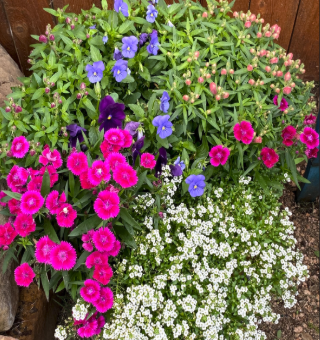
March
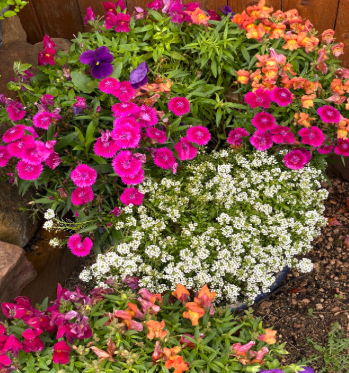
April
Here in Central Texas why Fall Planting Works
Yippee, it’s fall ya’ll, my favorite time of year. In zone 8B in Central Texas, it's October before it gets cool enough for me to do a lot of fall gardening, so I'm planning my strategy for the first crisp autumn day that lures me to dig around outside.
These are the cool‑season annuals I rely on every year in Zone 8B (Central Texas):
Pansies
Alyssum
Dianthus
Snapdragons
When I plant these, I give them some compost and seaweed for the roots to snack on in the winter and grow strong, and I include a thick blanket of mulch to keep them warm and cozy. And of course, have fun planting and give them some love (that’s the best gardening secret I know).

These babies (yes, I call my plants my babies) can survive below freezing temps .If you live in colder climates than I do, you will need to experiment to see how these plants overwinter, but the USDA has them cold hardy in zones 4-8. I've saved planting guides for all zones on my website: https://www.lovefromthegarden.com/planting-guides
I’ve seen pansies peeking out from beneath the snow, and alyssum loves colder weather. The dianthus and snapdragons sometimes last through the summer if they have some shade, and then pop back up in the fall. Find your growing zone:
Winter Blooms = Happy Pollinators
It’s worth the time to plant early in the fall so you can have a little something blooming through the winter days and then effortlessly blossom when spring comes. Fall and winter blooms also give hungry pollinators some welcome snacks.

Real Results From My Garden
The pansies below were planted in November (left pic) and survived 12 degree F
in January (I did cover them up during the freeze). The right pic shows them in the following March, still bright and happy.

Bunny Alert!
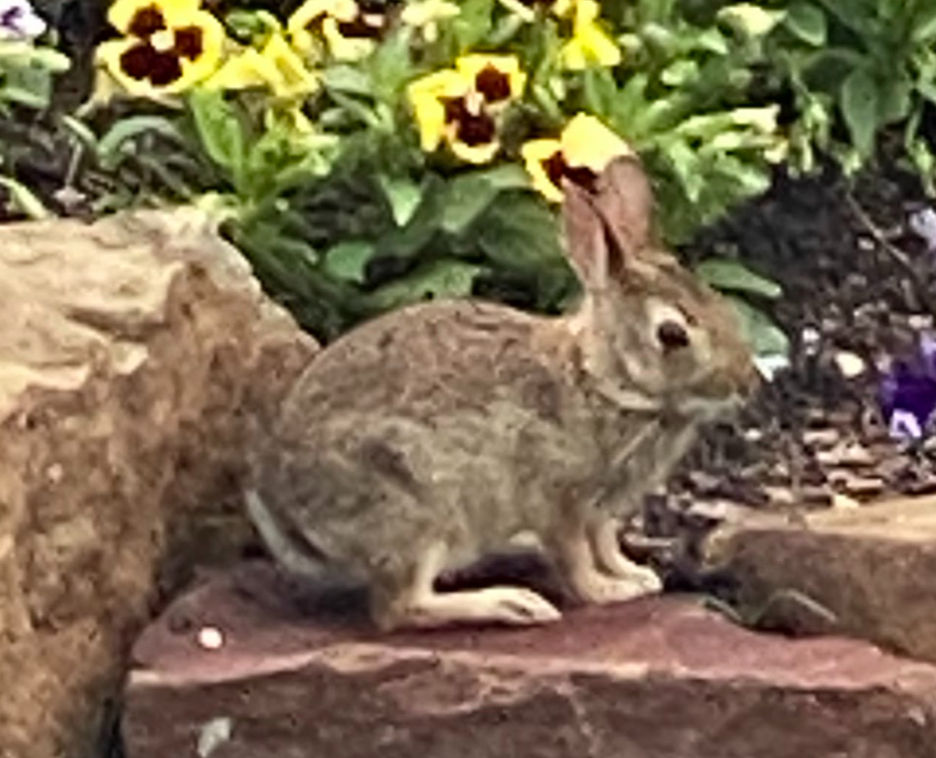
Bunnies think the pansies are pretty tasty.
Plant more than what you think you need. The other plants- alyssum, snapdragons and dianthus are bunny resistant but can get nibbled on if our furry friends are really hungry. I love bunnies, so I don’t mind providing snacks for them. Hippity hop.
For detailed planting and information about the plants above, check the planting guide link:
Every Plant Tells a Story: Pansies
"Pray, love, remember: and there is pansies, that's for thoughts." – William Shakespeare (Hamlet)
Pansies have been a favorite in my family for four generations. I think they are precious little flowers. I remember my grandmother saying, “pansies are for remembrance.” My Mom taught me to love pansies; she had loved their sweet little faces ever since she was a girl.

My great grandmother made these plaster art pieces from the pansies in her garden.
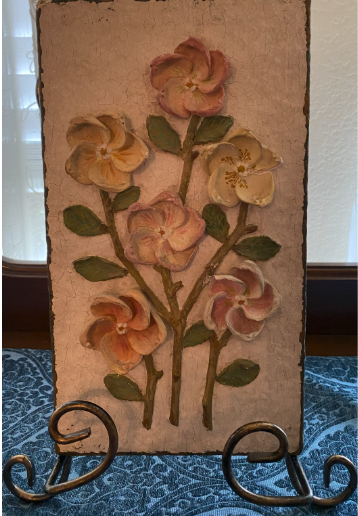
I think about all my family gardeners whenever I plant pansies. These flowers have been around for close to 200 years, originally being hybridized in Europe. Their name comes from the French word pensée, which means “thought”. Since my heritage is primarily European, I feel like the pansies connect me to my ancestors.
The native pansy was called johnny jump up but was also called heartsease because they were believed to cure a broken heart. Look closely at their little faces and see what you think. No two are exactly alike. Just gazing at them can lift your spirits.
"Nobody can keep on being angry if she looks into the heart of a pansy for a little while." - Lucy Maud Montgomery
Angel faces
To me, the faces of some of the pansies look like Angels. Take a look at these Neon Violet ones I planted last year. They look like a gathering of angels.

I planted these in my “Angel Garden”.

The pansy below is Halo Violet. It looks like an angel in a fancy gown. Another favorite is the Cool Wave Morpho pansy. Can you tell I like purple?
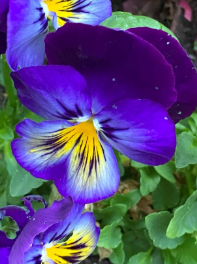
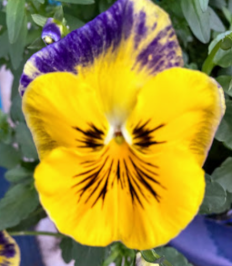
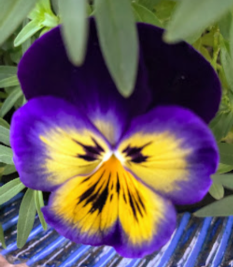
Halo Violet and Cool Wave Morpho
Pansies are edible and make beautiful décor for charcuterie boards.

Did You Know?
Growing Zones: 3–8
Likes: soil temperatures are between 45℉ and 65℉
Frost: can survive a frost, but can always benefit from a bit of protection.
Bonus: They're edible!
Happy Fall Planting
Stay tuned for Part 2: Native Plants.
“Plant seeds of love and kindness; your harvest will be bountiful.” – Lana Ann
A Little Sunshine Before You Go
Nature inspires us whether we garden or not. Take a listen to
Thank you for reading. Sending love from the garden to you.


Comments