_edited.png)

How to Grow Dianthus: A Planting Guide for Zones 2–11
Dianthus Planting Guide for All US Growing Zones
Growing Pinks, Sweet Williams, Carnations & Annual Dianthus — From Zone 2 to Zone 11
A Comprehensive Home Gardener's Reference | Updated for Current USDA Hardiness Zone Maps | September 2026
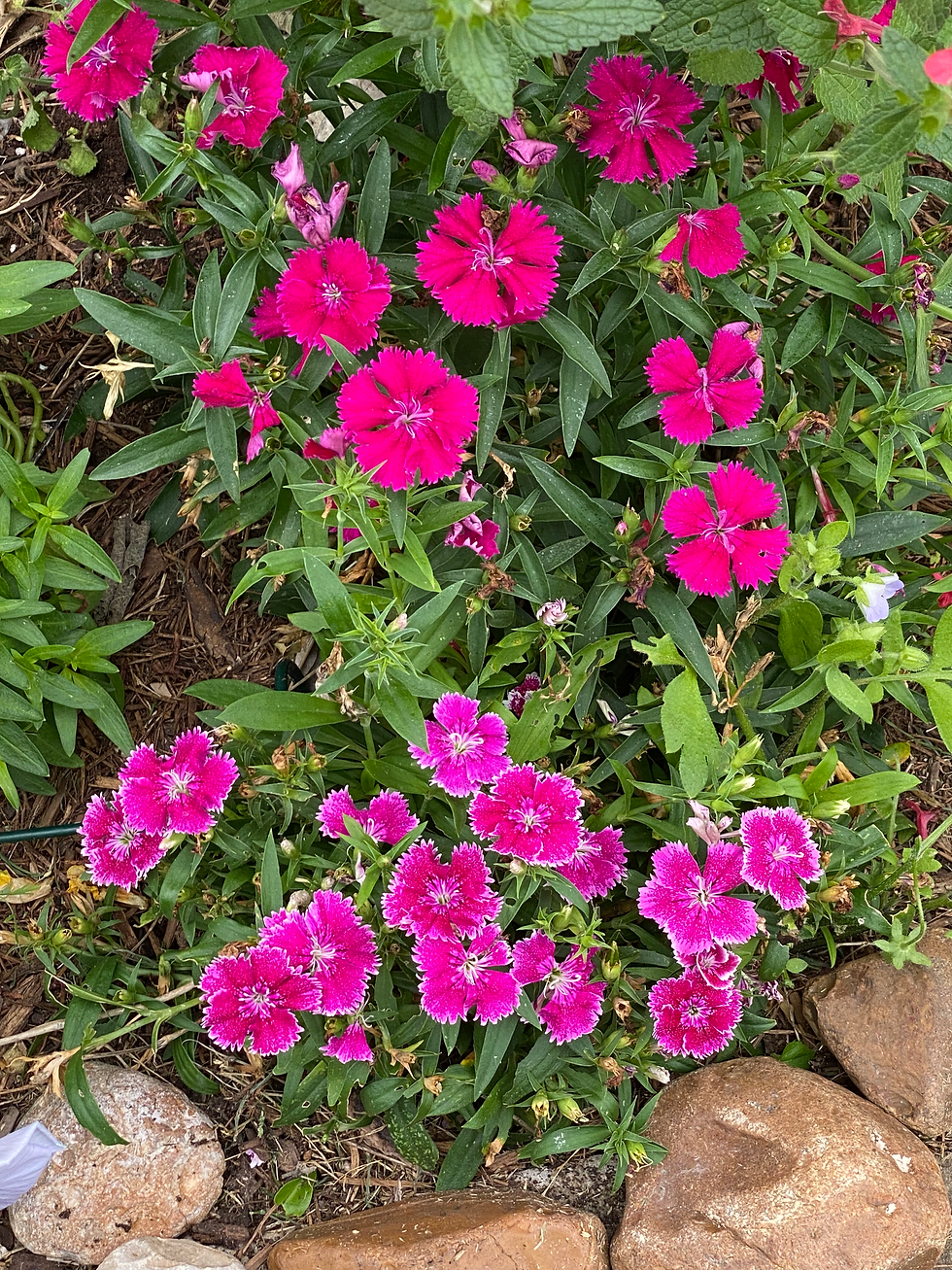
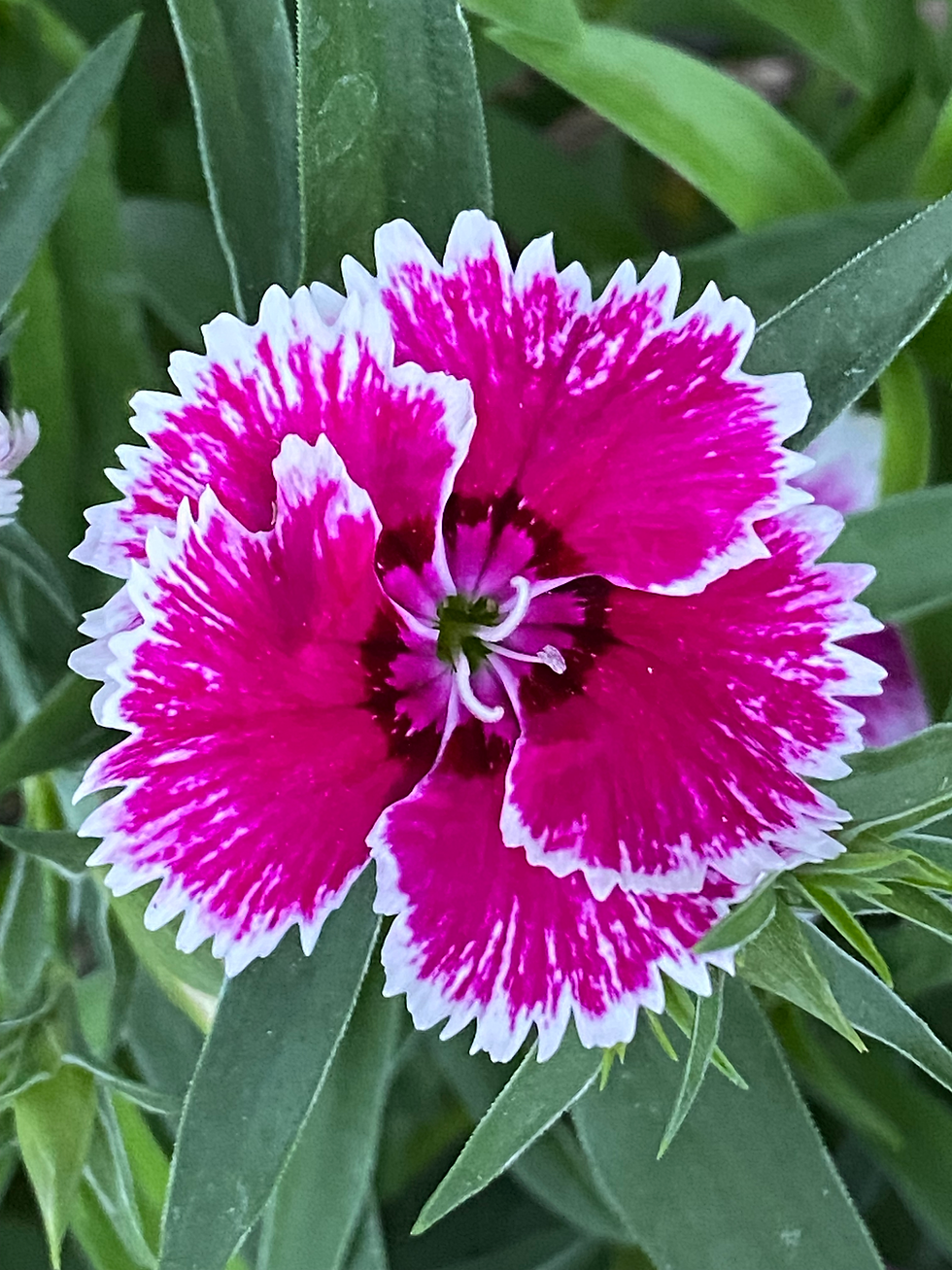


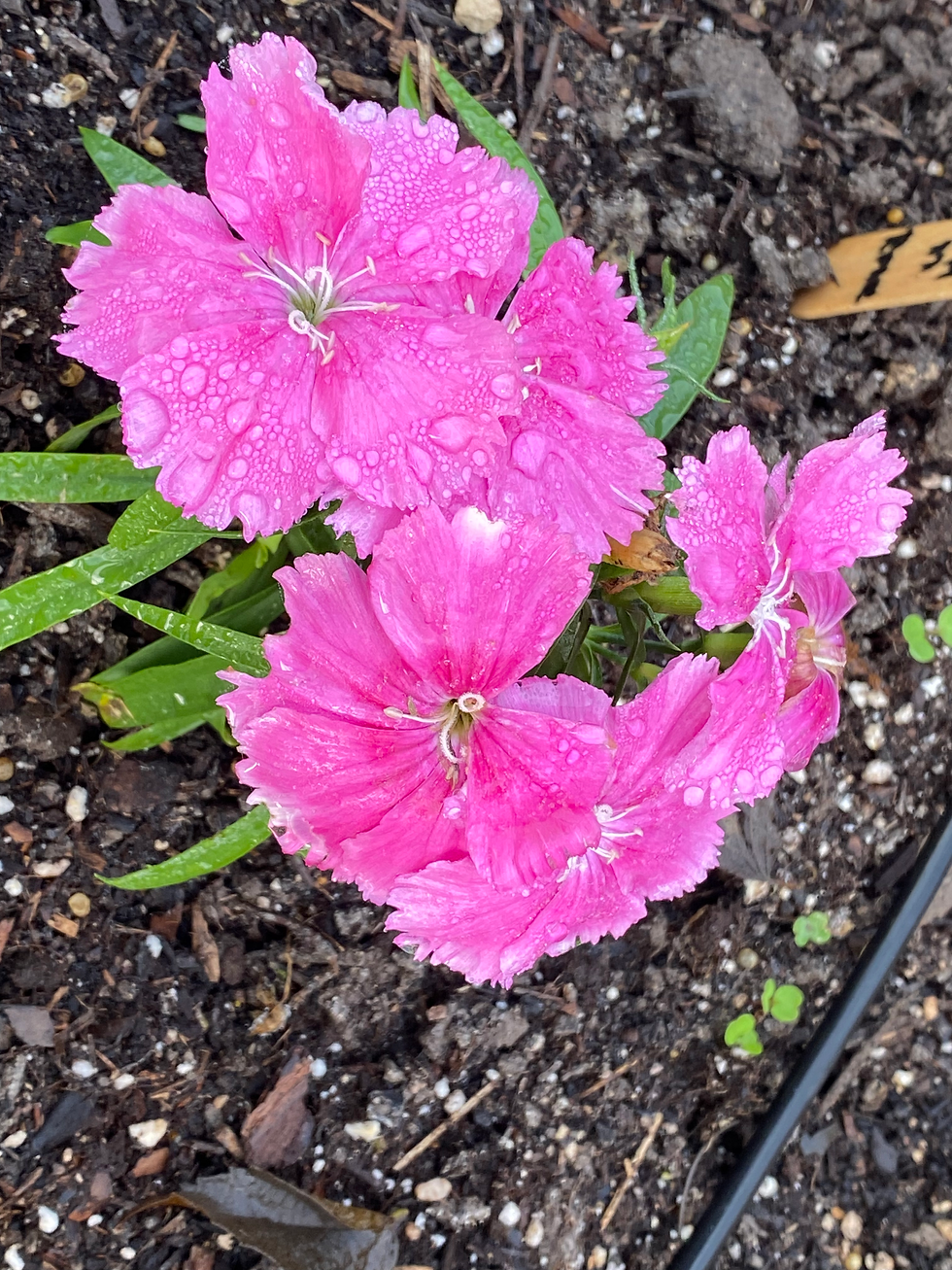
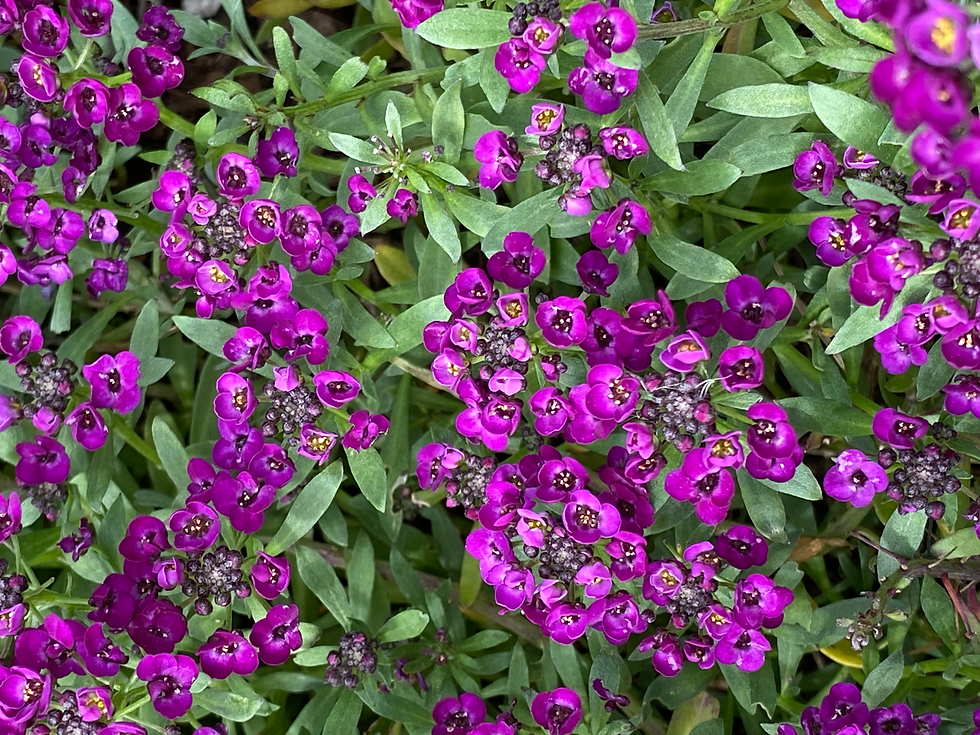
These photos are from my garden. The article is AI generated to provide all garden zones with planting instructions. I have reviewed the information and adjusted where needed. | Lana Ann
Happy Planting!
Quick Links
Whether you are tucking 'Firewitch' pinks into a Minnesota rock garden, planting Telstar dianthus in a Texas fall bed, or coaxing annual dianthus through a Hawaiian winter, the divine flower has something to offer you. Dianthus rewards attentive gardeners with fragrance, color, and charm that few cool-season plants can match. May your beds be fragrant, your blooms abundant, and your growing season long.
Introduction: Meet the Dianthus Family
Few flowering plants deliver as much charm, fragrance, and versatility as Dianthus — a large and beloved genus in the carnation family (Caryophyllaceae). Whether you know them as garden pinks, carnations, sweet Williams, or simply "dianthus," these flowers have graced cottage gardens, cutting beds, and container plantings for centuries. The name itself comes from the Greek dios (divine) and anthos (flower) — literally, the divine flower.
The genus encompasses hundreds of species, but home gardeners in the United States most commonly grow four main types:
Garden Pinks (Dianthus plumarius) — low-growing, fringed-petal perennials with intense clove fragrance; classic cottage garden plants
Sweet William (Dianthus barbatus) — bold, clustered flower heads in rich bicolor patterns; typically biennial but treated as annual or perennial by zone
Carnation (Dianthus caryophyllus) — the florist's classic; taller, with large, ruffled blooms; best outdoors in warmer zones
Annual Dianthus / China Pinks (Dianthus chinensis) — compact, heat-tolerant, fast-blooming; the most adaptable for gardeners in hot or short-season climates
Dianthus flowers are celebrated for their signature clove-like spicy-sweet fragrance and a color range that includes white, cream, soft pink, hot pink, magenta, red, burgundy, salmon, and striking bicolors with contrasting eyes or picotee edges. No two varieties are quite the same.
📍 How to Find Your USDA Hardiness Zone The USDA Plant Hardiness Zone Map divides the United States into 13 zones (1–13) based on average annual minimum winter temperatures. To find your zone, visit planthardiness.ars.usda.gov and enter your ZIP code. The 2023 revision updated many areas — be sure you're using the current map, as some regions shifted half a zone warmer. |
Why Timing and Temperature Matter for Dianthus
Dianthus is fundamentally a cool-season plant. It performs best when daytime temperatures are between 45°F and 65°F. When temperatures consistently exceed 80–85°F, most dianthus will stop blooming, go semi-dormant, or decline entirely. Understanding your zone's seasonal temperature patterns — not just winter lows — is the single most important factor in growing dianthus successfully. In cold zones, the challenge is getting plants established before killing frosts. In hot zones, the challenge is timing plantings to enjoy the cool windows of fall through spring.
Section 1: Dianthus Basics — All Zones
Overview of Main Types
Perennial Pinks (D. plumarius and hybrids): Hardy in Zones 3–9. Long-lived, returning each spring with fragrant mats of blue-green foliage. Bloom heaviest in late spring/early summer, often reblooming in fall.
Sweet William (D. barbatus): Hardy in Zones 3–9 as a biennial (blooms its second year) or short-lived perennial. Produces large, domed clusters of flowers in late spring. Can self-seed prolifically.
Annual Dianthus / China Pinks (D. chinensis): Grown as annuals in all zones. Compact and fast-blooming; the most heat-tolerant of the group. Ideal for short cool seasons in hot climates.
Carnations (D. caryophyllus): Best grown outdoors in Zones 7–10. Taller (12–24 inches), with large, ruffled, intensely fragrant blooms. In colder zones, grow as annuals or in containers brought indoors for winter.
Cool-Season Preference
Across all types and all zones, dianthus thrives in the 45–65°F sweet spot. When summer heat arrives, plants may bolt (go to seed quickly), produce fewer blooms, or enter semi-dormancy. This is not failure — it is a natural survival response. Perennial types will recover when temperatures cool in fall. In very hot zones, dianthus is best treated as a cool-season annual, planted in fall and enjoyed through spring.
At-a-Glance Type Reference Table
Type | Species | Hardy Zones | Annual / Perennial / Biennial | Typical Bloom Season | Height |
Garden Pinks | D. plumarius | 3–9 | Perennial | Late spring – early summer; fall rebloom | 6–18 in. |
Sweet William | D. barbatus | 3–9 | Biennial / short-lived perennial | Late spring – early summer | 12–24 in. |
Annual Dianthus | D. chinensis | All zones (annual) | Annual | Varies by zone (cool season) | 6–12 in. |
Carnation | D. caryophyllus | 7–10 outdoors | Perennial in warm zones; annual elsewhere | Spring – summer; may rebloom | 12–24 in. |
Section 2: Zone-by-Zone Planting Guide
Use the zone groupings below to find guidance tailored to your region's climate. Remember that microclimates — urban heat islands, south-facing slopes, protected courtyards — can shift your effective zone by half a zone or more in either direction.
Zones 2–4 — Northern States |
States/Regions: Minnesota, North Dakota, South Dakota, Montana, Wyoming, northern Wisconsin, upper Michigan, Maine, Vermont (northern), and similar high-latitude areas
Planting Times
Start seeds indoors 8–10 weeks before last expected frost (typically February–March)
Transplant outdoors after last frost, usually May–June
For sweet William: plant in early summer for bloom the following year
Bloom Period
Perennial pinks bloom June through August. Sweet William blooms in late spring–early summer of its second year.
Winter Management
Mulch crowns heavily (3–4 inches) with straw or shredded leaves after the first hard freeze
Do not cut perennials back severely before winter — leave some foliage as insulation
Remove mulch gradually in spring as temperatures warm to prevent crown rot
Regional Tips
Perennial pinks (especially 'Firewitch') are the most reliable bet — invest in named hardy varieties
Carnations are best grown in containers brought indoors before frost, or treated as annuals
Choose a sheltered, south-facing site to maximize warmth and extend the season
Annual dianthus (chinensis) can fill gaps where perennials have not yet established
💡 Zone 2–4 Tip In the coldest areas of Zones 2–3, look for varieties specifically rated to Zone 3 or colder. 'Firewitch' and 'Bath's Pink' have proven cold-hardiness well into Zone 3 when given proper mulching and good drainage. |
Zones 5–6 — Upper Midwest, Northeast & Pacific Northwest Foothills |
States/Regions: Ohio, Indiana, Pennsylvania, New York, New Jersey, Connecticut, Massachusetts, Rhode Island, Vermont (south), New Hampshire, Oregon valleys, Washington coast, northern Illinois, southern Wisconsin, Iowa
Planting Times
Spring: Transplant or direct sow in early spring, March–April, as soon as soil is workable
Late Summer: Plant August–early September for fall establishment and strong spring bloom
Sweet William: Sow seeds in early summer for second-year bloom
Bloom Period
Perennial pinks bloom May through September with proper deadheading. Spring planting may produce lighter bloom the first year; fall-established plants bloom fully by May.
Winter Management
Zone 5: Apply a light mulch (2 inches) over crowns after first frost; remove in early spring
Zone 6: Perennial pinks generally overwinter without mulch; a light cover is still beneficial in exposed sites
Annual dianthus: plant in spring for summer color; in Zone 6, also plant in fall for winter/spring color
Regional Tips
The Pacific Northwest's mild, wet winters are ideal for fall establishment — just ensure excellent drainage to prevent crown rot
In the Northeast, the humid summers can encourage powdery mildew — choose resistant varieties and space plants well
Sweet William self-seeds readily in Zones 5–6, providing a free colony over time
Zones 7–8 — Mid-Atlantic, Pacific Northwest, Upper South & Texas Hill Country |
States/Regions: Virginia, North Carolina, Tennessee, Arkansas, Oklahoma (north), Oregon coast, Washington lowlands, northern California, Texas Hill Country, Georgia (north), Kentucky, Missouri
Planting Times
Fall planting preferred: September–November for establishment through mild winters and spectacular spring bloom
Spring planting: February–March also works; plants will bloom but may have less time before summer heat arrives
Bloom Period
Expect peak blooms March through June. Plants may rebloom in September–November as temperatures cool. The summer gap is normal and expected.
Summer & Winter Management
When temps consistently exceed 85°F, perennial pinks go semi-dormant — cut back by one-third, reduce watering, and wait
Carnations can overwinter outdoors in Zone 8 with a light frost cloth during hard freezes (below 20°F)
In Zone 7, mulch carnation crowns lightly in winter
Annual dianthus can be planted in fall for winter/spring color, then pulled in late spring when heat arrives
Regional Tips
Fall is the secret weapon for Zone 7–8 gardeners — plants establish roots through the mild winter and explode into bloom by March
In Tennessee and the Upper South, high summer humidity increases disease pressure — ensure good air circulation
The Pacific Northwest's mild winters mean fall-planted dianthus can bloom intermittently all winter in sheltered spots
💡 Zone 7–8 Tip Fall planting (October–November) is the single most powerful strategy for Zone 7–8 gardeners. Plants installed in fall establish strong root systems through the mild winter and reward you with an extraordinary spring bloom display months before spring transplants would even flower. |
Zones 8b–10 — Deep South, Southern California, Gulf Coast & Desert Southwest |
States/Regions: Texas Gulf Coast, Louisiana, Mississippi, Alabama, Florida panhandle, inland Southern California, low desert Arizona, coastal Georgia, South Carolina (coast)
Planting Times
Plant October through January to catch the cool season before spring heat arrives
Earlier fall planting (October–November) gives the longest bloom window
In Arizona's low desert (Zone 9b–10), November–January is the optimal window
Bloom Period
Expect blooms November through April, depending on planting time and location. By May–June, summer heat ends the bloom cycle and plants decline.
Summer Management
Once heat sets in, pull out or compost spent dianthus and replace with heat-tolerant summer annuals
Do not try to keep plants alive through summer in Zone 9–10 — it is rarely worth the effort
Container-grown plants can be moved to part-shade to extend their life briefly as heat arrives
Regional Tips
Treat all dianthus as cool-season annuals in these zones — perennial behavior is not reliable
Annual dianthus (D. chinensis) is the most heat-tolerant option and best suited for these zones
Choose heat-tolerant series: Telstar, Festival, and Corona series hold up longest as temperatures rise
Container growing is highly recommended — move pots to shade in late spring to extend bloom time by 2–4 weeks
In Central TX (Zone 8b), fall is your prime planting season! Plant in October–November for blooms through March–April.
⚠️ Zone 8b–10 Key Point In zones with hot summers, dianthus is a cool-season performer only. Do not fight the heat — plant in fall, enjoy through spring, and replace with summer annuals when the bloom cycle ends. Trying to keep plants through Texas or Gulf Coast summers leads to disappointment. Embrace the seasonal approach! |
Zones 10–11 — South Florida, Hawaii, Extreme South Texas & Puerto Rico |
States/Regions: Miami-Dade and South Florida, Honolulu and low-elevation Hawaii, extreme South Texas (Rio Grande Valley), Puerto Rico
Planting Times
Plant only during the coolest months: December through February
Choose the coolest, shadiest microclimate available
Bloom Period
Expect a brief but cheerful bloom window, typically 6–10 weeks during the cool season. Heat ends it quickly.
Regional Tips
Annual dianthus (D. chinensis) is the only realistic option — all other types struggle severely
Container growing is essential for placement control and to move plants to the coolest spots in the garden
Use well-draining potting mix; keep containers off hot pavement to prevent root overheating
Enjoy the limited bloom window for what it is — a wonderful cool-season accent — and plan ahead with succession plantings of other tropical-friendly annuals for the rest of the year
⚠️ Zone 10–11 Realistic Expectation Dianthus is genuinely challenging in Zones 10–11. If you love dianthus, grow it in containers during December–February and enjoy it as a seasonal treat. For year-round flowering, consider tropical alternatives like vinca, pentas, or portulaca for the warmer months. |
Section 3: Soil & Planting — All Zones
Ideal Soil Conditions
pH: Slightly alkaline to neutral, 6.0–7.0. Dianthus strongly dislikes acidic soil (unlike azaleas or blueberries). If your soil is below 6.0, amend with garden lime before planting.
Drainage: Excellent drainage is non-negotiable. Dianthus will develop crown rot and root rot in poorly drained, waterlogged soil. This is one of the most common causes of dianthus failure nationwide.
Fertility: Moderately fertile. Amend with compost at planting to improve both drainage and nutrient availability — but do not over-enrich with heavy manure.
Structure: Loamy or sandy loam is ideal. Heavy clay soils should be amended with coarse sand and compost, or raised beds should be used.
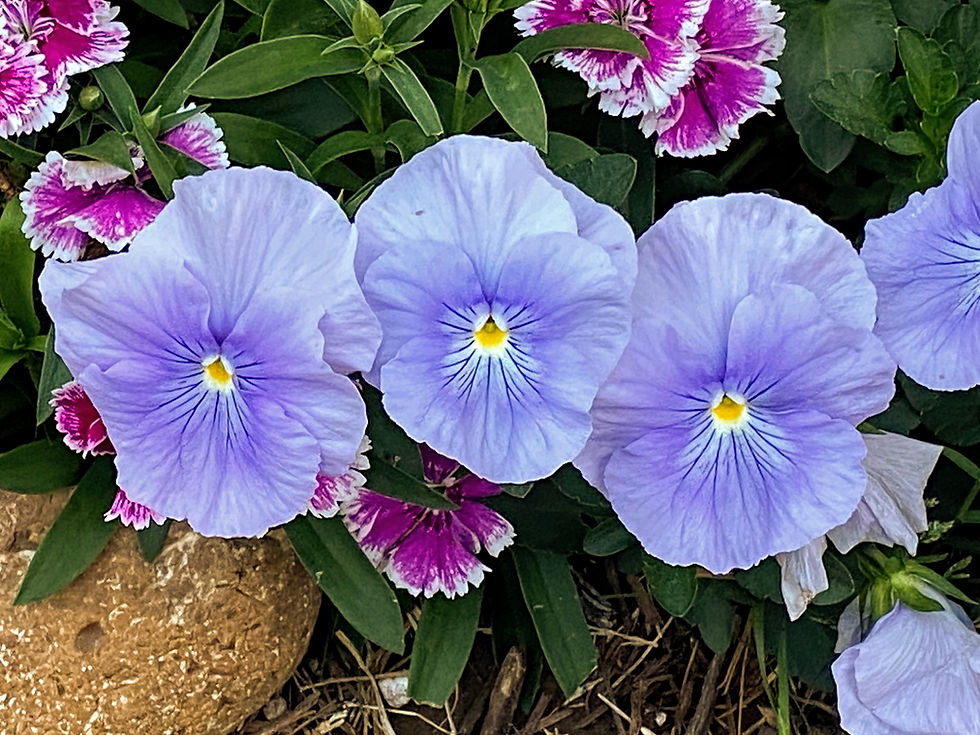
📝 Note: Dianthus vs. Pansies and Soil pH Many gardeners plant dianthus in the same beds as pansies or azaleas, which prefer more acidic soil. Dianthus prefers a higher (less acidic) pH. If growing them together, test your soil and aim for a compromise around pH 6.0–6.5, and monitor dianthus foliage for yellowing that may indicate pH problems. |
Planting Instructions
Depth: Plant with the crown at or just slightly above soil level. Burying the crown even an inch too deep is a primary cause of crown rot and plant death. When in doubt, plant high.
Spacing:
Garden pinks: 9–12 inches apart
Sweet William and carnations: 12–18 inches apart
Annual dianthus: 8–10 inches apart for a full, lush look
Sun: At least 6 hours of direct sun per day. More sun means more blooms. In hot zones (8b+), light afternoon shade can extend the bloom period during warm spells, but morning sun is essential.
Amending: Work 2–3 inches of compost into the top 8–10 inches of soil before planting. Add lime if pH is below 6.0 (follow package rates based on your soil test results).
Container Planting Tips
Use a high-quality, well-draining potting mix — never garden soil alone in containers
Terracotta pots are preferred; they breathe and help prevent overwatering and root rot
Ensure the container has drainage holes — do not use saucers that allow water to pool
Containers are especially valuable in Zones 8b–11: move to shade as summer heat arrives to extend bloom time
In cold zones, bring containers of carnations indoors before the first hard freeze
Section 4: Watering
General Guidelines
Dianthus has moderate water needs — more drought-tolerant than pansies once established, but not drought-proof
Allow the top inch of soil to dry slightly between waterings — do not keep soil constantly moist
Water at the base of the plant; avoid wetting foliage, which promotes fungal disease
Morning watering is strongly recommended — foliage dries quickly, reducing disease risk
Deep, infrequent watering is better than shallow, frequent watering — encourages deep root development
Zone-Specific Watering Notes
Zones 2–4: Natural rainfall may be sufficient during the growing season; supplement during dry spells
Zones 5–6: Monitor during summer dry periods; water every 5–7 days if no significant rainfall
Zones 7–8: Water regularly during spring bloom; reduce during summer semi-dormancy
Zones 8b–10: Monitor containers closely — they dry out rapidly in heat. In-ground plants may need water every 2–3 days during warm, dry periods
Zones 10–11: Water consistently but never allow soil to remain waterlogged; drainage is critical in tropical humidity
Mulching and Moisture Retention
Apply a light mulch (1–2 inches of shredded bark or straw) around plants to retain moisture and moderate soil temperature
Critical: Keep mulch at least 1–2 inches away from the crown to prevent rot
In cold zones, heavier mulch (3–4 inches) after first frost protects crowns through winter
Section 5: Feeding & Fertilizing
Fertilizer Basics
At planting, incorporate a balanced, slow-release granular fertilizer (such as 10-10-10 or 14-14-14) into the soil at the rate recommended on the package
During active growth and bloom, supplement with a balanced liquid fertilizer every 3–4 weeks (e.g., 20-20-20 water-soluble fertilizer at half strength)
Avoid high-nitrogen fertilizers (such as lawn fertilizers) — excess nitrogen promotes lush foliage at the expense of flowers
For perennial pinks, top-dress with balanced granular fertilizer each spring as new growth emerges from the crown
Troubleshooting Nutritional Issues
Yellowing leaves: May indicate nitrogen deficiency, pH imbalance (too acidic), or overwatering — test soil pH first; correct with lime if below 6.0
Poor bloom with lush foliage: Too much nitrogen — switch to a bloom-booster fertilizer (low first number, higher second and third: e.g., 5-10-10)
Short-season zones (2–4): Use a quick-release fertilizer at planting for fast establishment before summer ends
Stop fertilizing in late summer in cold zones to allow plants to harden off before winter
Section 6: Ongoing Care
Deadheading
Remove spent blooms regularly by snipping the flower stem back to the nearest set of leaves or bud. This redirects the plant's energy from seed production to new flower development and significantly extends the bloom season — sometimes by weeks or months.
Shearing for Rebloom
After the first major flush of blooms, cut plants back by one-third to one-half their height using clean garden scissors or shears. This is especially effective in Zones 5–8, where it encourages a strong second flush of blooms in late summer or fall. Water and fertilize lightly after shearing.
Pinching Young Plants
When transplants are 3–4 inches tall, pinch out the growing tips (the topmost set of leaves) to encourage branching and bushier, more floriferous plants. This is especially beneficial for carnations and sweet William.
Division
Divide perennial dianthus clumps every 2–3 years in early spring or early fall
Division rejuvenates the plant, improves air circulation, and provides free new plants
Divide when clumps show a dead center or reduced blooming — a sure sign it is time
Staking
Tall sweet William and carnation varieties (over 18 inches) may need gentle staking with bamboo stakes and soft ties. Stake when plants are about half their mature height to avoid disturbing established roots.
Seasonal Prep by Zone
Zones 2–6, Fall: Cut back lightly; mulch crowns after first frost; remove mulch in early spring
Zones 7–8, Summer: Allow semi-dormancy; reduce watering; cut back by one-third; resume care as temperatures drop below 80°F in fall
Zones 8b–10, Late Spring: As bloom cycle ends, cut back sharply or remove plants; replace with heat-tolerant summer annuals; plant new dianthus again in fall
Section 7: Best Dianthus Varieties by Zone
Choosing the right variety dramatically improves your success. The following selections have proven track records across their respective zones.
Cold-Hardy Perennials — Zones 2–5
Variety | Zones | Highlights |
'Firewitch' (D. gratianopolitanus) | 3–9 | Perennial of the Year 2006; intense magenta-pink; extraordinary cold hardiness; very fragrant; evergreen foliage |
'Bath's Pink' | 3–9 | Soft pink, fringed petals; extremely heat and cold tolerant; low-growing mat; reliable rebloomer |
'Zing Rose' | 3–9 | Bright rose-red; compact; great for rock gardens and borders; dependable cold hardiness |
'Tiny Rubies' | 3–9 | Very dwarf (4 in.); double rose-pink flowers; excellent cold hardiness; perfect for rock gardens |
Sweet William — Zones 3–8
Variety | Highlights |
'Electron Mix' | Brilliant, large-headed blooms in mixed bicolors; excellent for cutting; 18–24 in. tall |
'Indian Carpet' | Compact (10 in.); wide color mix; ideal for edging; first-year blooming from early sowing |
'Holborn Glory' | Classic large-flowered type; rich deep reds and pinks; very fragrant; excellent cut flower |
'Sooty' (D. barbatus) | Unique near-black foliage and deep burgundy flowers; dramatic accent; Zones 5–8 |
Mid-Zone All-Purpose — Zones 5–8
Variety / Series | Highlights |
'Kahori' series | Outstanding fragrance; coral-salmon blooms; perennial in Zones 5–9; long bloom season |
'Scent First' series | Bred for exceptional fragrance; multiple colors; perennial in Zones 5–9; cottage garden favorite |
'Neon Star' | Hot magenta-pink; very floriferous; mounded habit; excellent for borders; Zones 5–9 |
'Floral Lace' series | Compact annual/short-lived perennial; lacy fringed petals; wide color range; great in containers |
Heat-Tolerant Annuals — Zones 8b–10
Variety / Series | Highlights |
Telstar series (D. chinensis) | Industry standard for heat tolerance; wide color range; excellent uniformity; most popular in the South |
Festival series | Good heat tolerance; compact; long-lasting blooms; great in mixed containers and beds |
Corona series | Bicolored blooms; outstanding performance in warm climates; strong branching habit |
'Ideal Select' mix | Early flowering; uniform; excellent for commercial and home plantings in warm zones |
Carnations — Zones 7–10
Variety / Series | Highlights |
'Grenadin' series | Classic border carnation; double, highly fragrant flowers; strong stems; good for cutting |
'Chabaud Giant' mix | Large, fully double florist-style blooms; wide color mix; excellent fragrance; 18–24 in. |
'Vienna Mix' | Compact carnation; wide color range; excellent for containers and borders; good garden performance |
Container Favorites — All Zones
Variety / Series | Highlights |
'Paint the Town' series | Award-winning perennial series; vibrant colors; extremely heat and cold tolerant; excellent container performance; Zones 4–9 |
'Floral Lace' series | Fringed, lacy blooms; compact habit; all colors; excellent in mixed containers and window boxes |
Telstar series | Also excellent in containers in warm zones; heat tolerance keeps pots looking fresh longer |
Section 8: Troubleshooting Common Dianthus Problems
Foliage & Growth Problems
Symptom | Likely Cause(s) | Solution |
Yellowing leaves | Soil pH too low (acidic), nitrogen deficiency, or overwatering | Test soil pH; apply garden lime if below 6.0; reduce watering; apply balanced fertilizer |
Crown rot / wilting despite adequate water | Poor drainage; crown buried too deeply; overwatering | Improve drainage; replant with crown at or above soil level; reduce watering frequency |
Leggy, sparse, floppy plants | Insufficient sun (< 6 hours); needs shearing or pinching | Move to sunnier location; shear back by one-third; pinch young growth to encourage branching |
Stunted growth, slow establishment | Cold soil; pH imbalance; compacted or poorly drained soil | Wait for soil to warm; test and amend pH; loosen soil; add compost |
Blooming Problems
Symptom | Likely Cause(s) | Solution |
Few or no blooms | Too warm (>80°F); needs deadheading; overfertilized with nitrogen; insufficient sun | Wait for cooler temperatures; deadhead spent flowers; switch to low-nitrogen bloom fertilizer; ensure 6+ hours sun |
Short bloom period | Normal response to heat; insufficient deadheading; needs shearing | Deadhead consistently; shear after first flush; in hot zones, accept cool-season bloom window |
Disease Problems
Disease | Symptoms | Solution |
Powdery mildew | White or gray powdery coating on leaves; common in humid conditions | Improve air circulation by spacing plants properly; apply potassium bicarbonate or sulfur-based fungicide; avoid overhead watering |
Fusarium wilt | Sudden wilting and yellowing; stems may show brown discoloration inside; soilborne | No cure — remove and dispose of affected plants; do not replant dianthus in same location for 3+ years; choose resistant varieties |
Rust | Orange or brown pustules (blisters) on undersides of leaves | Remove and dispose of affected leaves; apply copper-based or sulfur fungicide; avoid wetting foliage; improve air circulation |
Botrytis (gray mold) | Gray fuzzy mold on flowers and stems; common in cool, wet, humid conditions | Remove affected plant parts; improve air circulation; apply fungicide; avoid overhead watering |
Pest Problems
Pest | Signs | Treatment |
Aphids | Clusters of small green, black, or pink insects on stems and buds; sticky residue | Spray with insecticidal soap or neem oil; strong water blast knocks off light infestations; introduce beneficial insects |
Spider mites | Fine webbing; stippled, yellowing foliage; worse in hot, dry conditions | Increase humidity around plants; apply neem oil or miticide; avoid water stress |
Thrips | Distorted, streaked, or discolored petals; tiny slender insects inside flowers | Use yellow sticky traps to monitor; apply spinosad-based insecticide; remove heavily infested flowers |
Slugs & snails | Ragged holes in leaves; slime trails; damage worst after rain or overhead watering | Apply iron phosphate bait (pet- and wildlife-safe); sprinkle diatomaceous earth around base; hand-pick at night |
Section 9: Quick Reference Table — Zone-by-Zone Summary
Zone Group | States / Regions (Examples) | Best Planting Time | Expected Bloom | Best Dianthus Types | Key Tips |
Zones 2–4 | MN, ND, SD, MT, WY, northern WI, ME | Start indoors Feb–Mar; transplant May–Jun | June–August | Perennial pinks, sweet William, annual dianthus | Heavy mulch in fall; choose cold-hardy varieties; carnations as annuals or container plants |
Zones 5–6 | OH, IN, PA, NY, NJ, CT, MA, RI, OR valleys, WA coast | Mar–Apr (spring) or Aug–Sep (late summer) | May–September | All types; perennial pinks excel | Light mulch in Zone 5; fall planting for strong spring bloom; sweet William self-seeds freely |
Zones 7–8 | VA, NC, TN, AR, OR coast, WA lowlands, TX Hill Country, N. CA | Sep–Nov (fall preferred) or Feb–Mar (spring) | March–June; rebloom Sep–Nov | All types including carnations (Zone 8) | Fall planting is the secret weapon; expect summer semi-dormancy; carnations overwinter in Zone 8 |
Zones 8b–10 | TX Gulf Coast, LA, MS, AL, FL panhandle, inland SoCal, low-desert AZ | Oct–Jan | November–April | Annual dianthus (D. chinensis) primarily; all as cool-season annuals | Treat all as cool-season annuals; pull by May; Telstar/Festival series for heat tolerance; containers recommended |
Zones 10–11 | S. Florida, Hawaii, extreme S. Texas, Puerto Rico | Dec–Feb only | 6–10 weeks in winter | Annual dianthus only | Container essential; choose coolest microclimate; enjoy brief display; plan ahead with tropical alternatives |
Section 10: Dianthus vs. Pansies — Quick Comparison
Many gardeners who love pansies discover dianthus as a natural companion or alternative. Here is a side-by-side comparison to help you understand the key differences and when to choose each.
Feature | Dianthus | Pansies (Viola x wittrockiana) |
Preferred soil pH | 6.0–7.0 (neutral to slightly alkaline) | 5.4–6.2 (mildly acidic) |
Water needs | Moderate; tolerates some drought once established | Moderate to high; prefers consistently moist soil |
Heat tolerance | Moderate; better than pansies; annual dianthus most tolerant | Poor; declines quickly above 75–80°F |
Cold hardiness | Perennial types hardy to Zone 3; very cold tolerant | Tolerates frost and light freeze; typically Zone 4 annual |
Fragrance | Yes — distinctive clove-spice scent in many varieties | Minimal to none |
Bloom season | Cool season; some perennial types rebloom in fall | Cool season only (fall through spring); declines in summer |
Soil drainage needs | Excellent drainage essential; hates wet feet | Good drainage preferred; more tolerant of moisture than dianthus |
Longevity | Perennial types return for years; annuals for one season | Typically grown as annual; some short-lived perennial types |
Uses | Borders, rock gardens, cutting, containers, ground cover | Borders, containers, window boxes, edging |
Section 11: Top 10 Universal Dianthus-Growing Tips
No matter where you garden — from Maine to Miami, from Seattle to San Antonio — these ten tips will give your dianthus the best possible start and the longest possible bloom season.
Drainage first, always. Dianthus would rather be slightly dry than slightly wet. Perfect drainage is the single most important factor in growing healthy dianthus — more important than fertilizer, more important than pruning.
Never bury the crown. Plant with the crown at or just above soil level. A buried crown is a rotting crown. When in doubt, plant high.
Know your cool season. Identify your region's cool growing window (when temps stay between 45–65°F) and time your planting to make the most of it. That window is when dianthus thrives.
Deadhead consistently. Removing spent blooms is the easiest way to triple your bloom time. Make it part of your weekly garden walk.
Shear after the first flush. Cut plants back by one-third after their initial bloom peak. It feels drastic but rewards you with a strong second flush of flowers.
Check and correct soil pH. If your soil is more acidic than pH 6.0, add garden lime. Acidic soil is a hidden cause of poor growth and yellowing leaves that many gardeners overlook.
Water at the base, in the morning. Keep foliage dry to prevent powdery mildew, rust, and botrytis. Morning watering allows any accidental splash to dry before evening.
Go easy on nitrogen. A balanced fertilizer or one slightly higher in phosphorus and potassium will produce more blooms. Heavy nitrogen gives you green leaves and few flowers.
Give them sun. Six hours of direct sun is the minimum; more is better. Shaded dianthus becomes leggy, weak, and stingy with blooms.
Embrace the season. In hot zones, dianthus is a cool-season performer — and a spectacular one. Plant in fall, enjoy through spring, and compost gracefully when summer arrives. There is no failure in working with your climate rather than against it.
Happy gardening to home gardeners in every zone, from Zones 2 to 11!
This guide was researched and generated with AI assistance (Microsoft Copilot, September 2026). Always consult your local Cooperative Extension Service for the most current zone-specific recommendations and pest/disease guidance for your county.
Comments