

Snapdragon Planting Guide for All U.S. Growing Zones
Updated: Oct 14
A Complete Home Gardener's Reference — Antirrhinum majus from Zone 2 to Zone 11
Category: Planting & Growing Instructions | Audience: Home Gardeners Nationwide | Updated: 2026
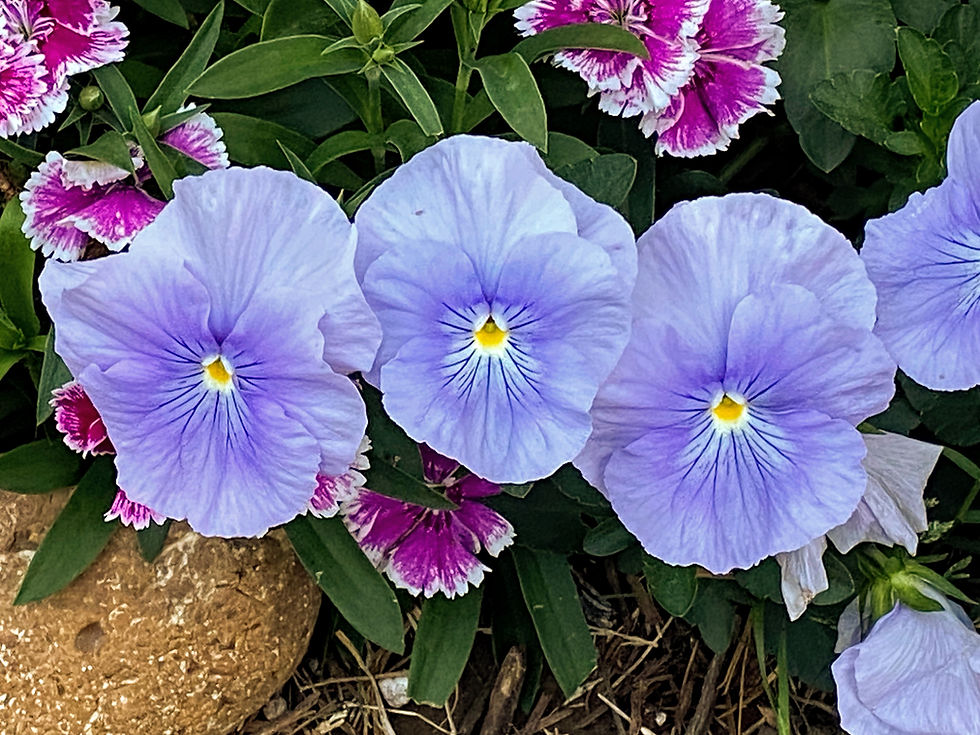
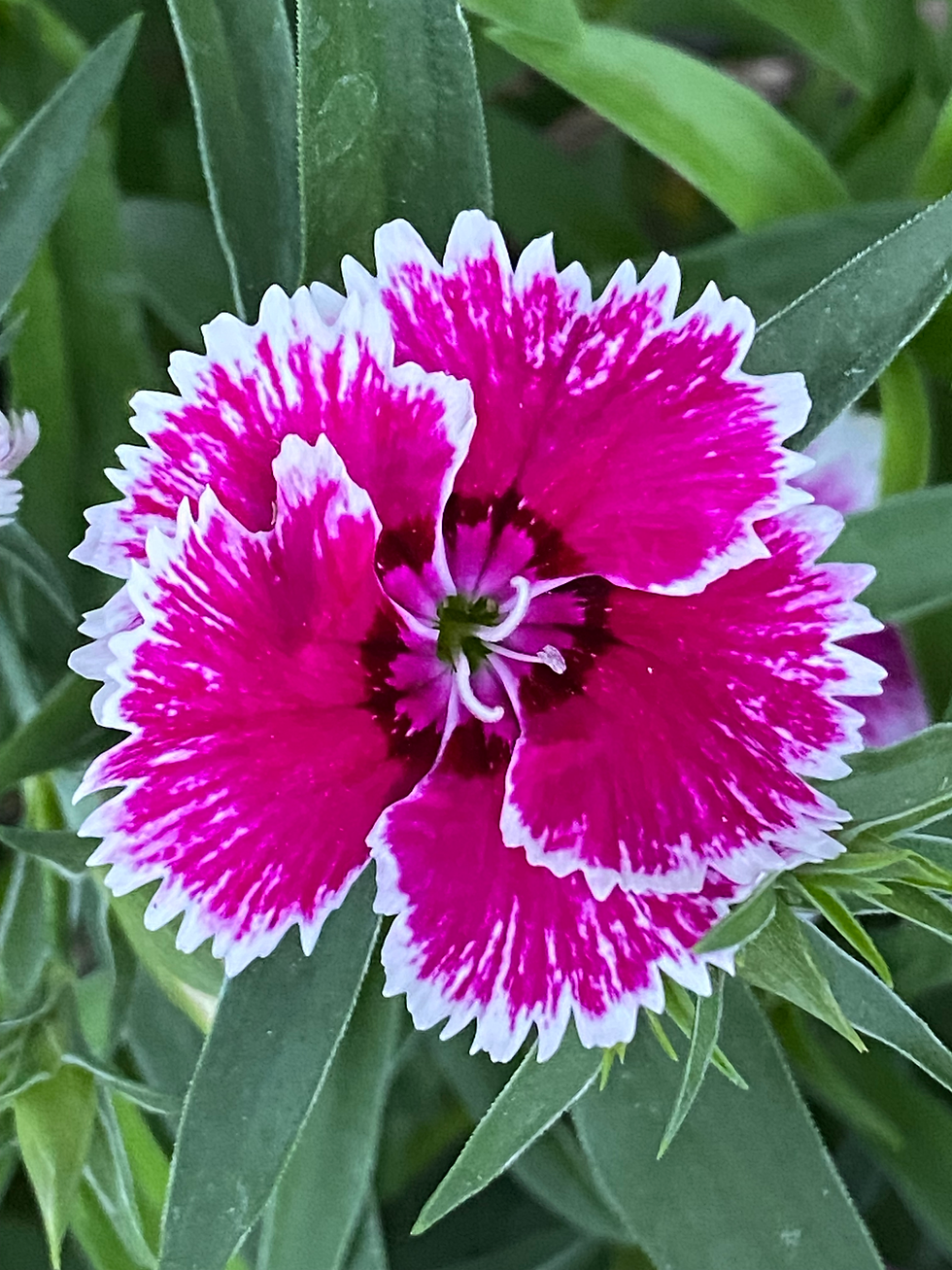
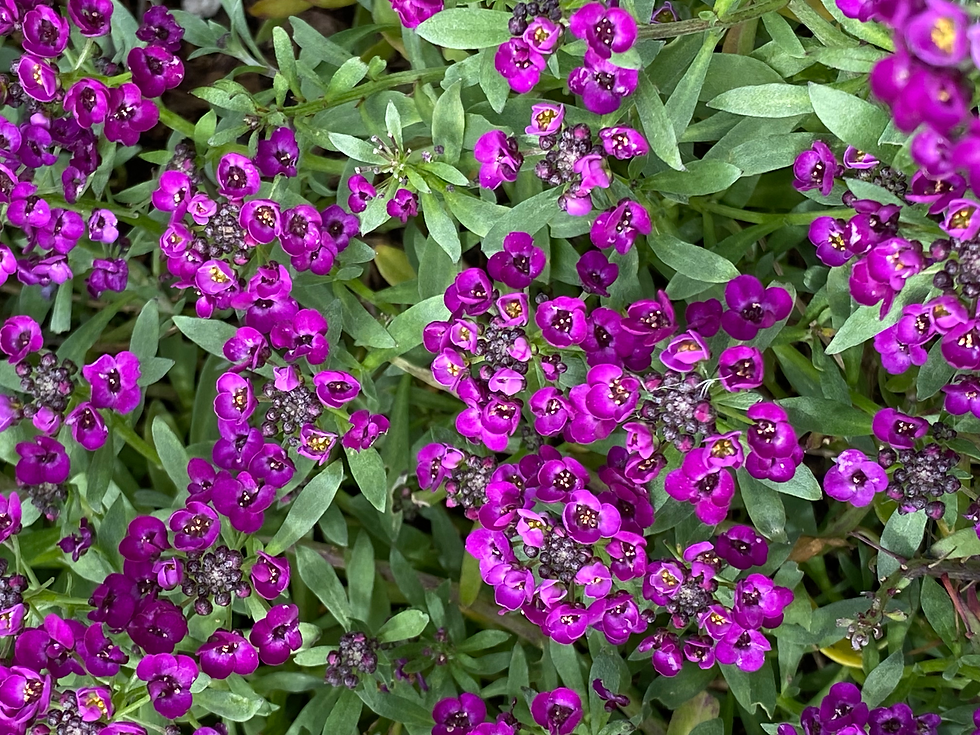
These photos are from my garden. The article is AI generated to provide all garden zones with planting instructions. I have reviewed the information and adjusted where needed.
Happy Planting! Lana Ann

A Note to Gardeners Everywhere
Whether you're gardening in the frost-bitten north of Zone 2, the sun-drenched warmth of Zone 10, or somewhere in the middle — there is a snapdragon planting strategy that works for your climate, your garden, and your season. These bright, cheerful, pollinator-friendly plants have delighted gardeners for centuries, and with the guidance in this document, you have everything you need to grow them beautifully.
Don't be discouraged by a bad season or a difficult year — experienced gardeners know that each growing season is a new experiment, and every failure teaches something valuable. Try a new variety, adjust your timing by a week or two, experiment with containers versus in-ground planting. Snapdragons are forgiving, resilient, and tremendously rewarding when they hit their stride.
Introduction: Meet the Snapdragon

Snapdragons are beloved for their tall, colorful spikes and cheerful "snapping" blooms — a garden favorite from coast to coast.
Few flowers capture the imagination of gardeners — young and old — quite like the snapdragon. With their tall, architectural spikes of ruffled, jewel-toned blooms and their irresistible "snapping" mouths, snapdragons (Antirrhinum majus) are among the most charming and versatile plants you can grow. Whether you're tucking them into a cottage border, filling a cutting garden, or brightening a container on the patio, snapdragons deliver season-long color and personality in spades.
Native to the rocky coastal regions of the Mediterranean, snapdragons are technically short-lived tender perennials — but across most of the United States, they are grown as cool-season annuals, thriving in the mild temperatures of spring and fall. Their wide color range — spanning pure white, soft blush, vivid magenta, sunny yellow, burnt orange, deep burgundy, and stunning bi-colors — means there is a snapdragon for every garden palette
The Famous "Snap"
The snapdragon's most distinctive feature is its uniquely shaped bloom: two "lips" that stay pressed together until squeezed from the sides, then spring open to reveal a colorful throat within. This mechanism is no accident — it's a clever adaptation that restricts access to nectar, primarily admitting large, strong pollinators like bumblebees, which have the body weight and strength to push open the blooms. The result is a delightful spectacle in the garden and a powerfully effective pollinator magnet. Children especially love gently squeezing the blooms to make them "talk."
Three Size Classes at a Glance
● Dwarf (6–8 inches): Compact and mounding; ideal for containers, borders, and edging. Examples: 'Floral Showers,' 'Kim' series.
● Intermediate (12–24 inches): The most versatile class; excellent for mixed borders, beds, and casual cutting. Examples: 'Sonnet,' 'Snapshot,' 'Liberty Classic.'
● Tall/Giant (30–48 inches): Bold, dramatic statement plants; prized for cutting gardens and back-of-border use. Examples: 'Rocket,' 'Potomac,' 'Madame Butterfly.'
Finding Your USDA Hardiness Zone
The USDA Plant Hardiness Zone Map divides the United States into 13 numbered zones (1–13) based on average annual minimum winter temperatures, with each zone split into "a" (colder) and "b" (warmer) sub-zones. You can find your zone by visiting the USDA's official zone map website and entering your ZIP code. Knowing your zone is essential for snapdragons because it tells you when your last spring frost and first fall frost occur — and since snapdragons are cool-season plants, timing your plantings around those frost dates is the single most important factor in growing success.

Section 1: Snapdragon Basics (All Zones)
Before diving into zone-specific timing, it helps to understand the universal growing requirements that apply to snapdragons no matter where you garden. Get these basics right, and your snaps will reward you abundantly.
Key Growing Facts
● Plant type: Tender perennial, grown as a cool-season annual throughout most of the US.
● Optimal growing temperature: 45–65°F. Snapdragons actively thrive and bloom in cool, mild weather.
● Heat tolerance: Bloom production slows significantly above 75°F; plants often go semi-dormant in summer heat.
● Cold tolerance: Established plants tolerate light frosts (28–32°F) briefly; seedlings and transplants need protection below 28°F.
● Light requirement: Full sun — a minimum of 6 hours of direct sunlight per day. In hot climates, afternoon shade extends the bloom season.
● Soil preference: Rich, well-draining, loamy soil with a pH of 6.2–7.0.
● Water needs: Moderate; even moisture without waterlogging.
● Bloom season: Varies by zone — generally spring and/or fall.
Size Class Quick-Reference Table

Section 2: Zone-by-Zone Planting Guide
Because the United States spans such an enormous range of climates — from the sub-arctic winters of northern Minnesota to the year-round warmth of South Florida — snapdragon planting strategy varies considerably by region. Use the subsection that matches your USDA zone below for timing tailored to your climate.


Section 3: Starting from Seed vs. Transplants
One of the first decisions you'll make as a snapdragon grower is whether to start from seed or purchase transplants. Both approaches are valid — here's how to succeed with each.
Starting from Seed
● Light required for germination: Snapdragon seeds require light to germinate. Press seeds gently onto the surface of moistened seed-starting mix — do not cover them with soil.
● Germination temperature: 65°F is ideal. A seedling heat mat can help maintain consistent temperature.
● Germination time: 10–14 days under good conditions.
● Cold stratification: Refrigerate seeds in a sealed bag with a damp paper towel for 1 week before sowing. This mimics natural winter conditions and significantly improves germination rates, especially in cool germination environments.
● Thinning: Once seedlings emerge and develop their first true leaves, thin to the strongest seedlings to allow good air circulation and prevent disease.
● Transplant shock: Snapdragon seedlings can experience transplant shock. Handle roots gently and water transplants with a diluted liquid fertilizer at planting to ease the transition.
● Direct sowing outdoors: Only reliably successful in Zones 7 and warmer with a fall planting approach. In cooler zones, seeds sown outdoors face too many variables (competing weeds, temperature swings, soil crust) for reliable germination.
Purchasing Transplants
● Availability: Snapdragon transplants are widely available at garden centers in spring (for northern zones) and fall (for southern zones). This is the easiest and most reliable option for beginners.
● What to look for: Choose compact, dark green transplants with multiple stems. Avoid plants that are already in full bloom — younger, pre-bloom plants establish better and will outperform those that have flowered prematurely.
● Pinch before planting: If transplants are leggy, pinch the growing tip before planting to encourage bushy growth.
Hardening Off: Essential for Both
1. Days 1–3: Place plants in a sheltered, shady spot outdoors for 1–2 hours per day.
2. Days 4–6: Gradually increase outdoor time to 4–6 hours; introduce some morning sun.
1. Days 7–10: Leave plants outdoors all day in their intended planting location. Bring in if frost is forecast.
2. Planting day: After 10 days of hardening, transplant to the garden in the evening or on a cool, overcast day to minimize stress.
Section 4: Soil & Planting (All Zones)
Ideal Soil Conditions
● Soil type: Rich, well-draining, loamy soil is ideal. Snapdragons are not tolerant of wet feet — excellent drainage is critical to prevent root and crown rot.
● pH range: 6.2–7.0 (slightly acidic to neutral). Test your soil with an inexpensive pH meter or test kit; amend with garden lime to raise pH or sulfur to lower it if needed.
● Soil amendment: Work 2–3 inches of compost into the top 8–10 inches of soil before planting. This improves both drainage in clay soils and water retention in sandy soils.
● Raised beds: An excellent option, especially in areas with heavy clay or poor drainage. The improved drainage and soil quality of a raised bed almost guarantees snapdragon success.
Planting Depth & Spacing
● Planting depth: Set transplants at the same depth they were growing in the nursery pot. Do not bury the crown — this invites rot.
● Dwarf varieties: Space 6 inches apart.
● Intermediate varieties: Space 9–12 inches apart.
Tall varieties: Space 12–18 inches apart to ensure adequate air circulation and prevent disease
Container Planting Tips
● Use a premium, well-draining potting mix — never garden soil in containers, which compacts and drains poorly.
● Ensure all containers have adequate drainage holes. Elevate containers slightly to allow free water flow.
● Dwarf and intermediate varieties are the best choices for containers; tall varieties may become top-heavy without support.
● In hot-climate zones (8b–11), containers allow you to move plants to afternoon shade as temperatures rise — a significant advantage over in-ground planting.
● Container plants dry out faster than in-ground plants — check moisture daily in warm weather.
Staking Tall Varieties
Any snapdragon growing 24 inches or taller should be staked, especially in windy locations. Place bamboo stakes or metal plant supports at planting time, before roots are established, to avoid damaging roots later. Tie stems loosely with soft garden twine or plant clips, with ties spaced every 8–10 inches along the stem.

Section 5: Watering
Snapdragons have moderate water needs — they want consistent moisture but are highly sensitive to overwatering. Finding the balance is key to healthy, long-blooming plants.
● General rule: Keep soil evenly moist but never waterlogged. Allow the top 1 inch of soil to dry slightly between waterings once plants are established (first 2–3 weeks after transplanting, water more consistently).
● Watering method: Always water at the base of the plant. Avoid wetting foliage, as moisture on leaves and stems creates ideal conditions for botrytis (gray mold) and powdery mildew — the two most common snapdragon diseases.
● Time of day: Morning watering is strongly preferred. Any moisture that accidentally splashes on foliage has time to dry before nightfall.
● Container plants in hot climates: Check containers daily in warm weather — they can dry out completely within 24 hours on a hot, sunny day. A container that has dried out completely and wilted will drop buds and may not recover fully.
● Mulching: Apply a 2–3 inch layer of organic mulch (shredded bark, straw, or compost) around plants, keeping it 2 inches clear of the stem base. Mulch significantly reduces watering frequency by slowing evaporation and moderating soil temperature.
● Drip irrigation: Ideal for snapdragon beds — delivers water directly to the root zone without wetting foliage.
● Summer dormancy: When snapdragons slow down in summer heat, reduce watering significantly. Excess moisture combined with heat is the fastest way to lose plants to root rot. Water only when the top 2 inches of soil are dry.
Section 6: Feeding & Fertilizing
Snapdragons are moderate feeders — they appreciate consistent nutrition during active growth and bloom, but excessive nitrogen will give you lush foliage at the expense of flowers.
● At planting: Incorporate a balanced slow-release granular fertilizer (10-10-10 or similar) into the soil before transplanting. This provides steady, consistent nutrition for the first 6–8 weeks.
● During active bloom: Supplement every 2 weeks with a liquid bloom fertilizer high in phosphorus — look for formulations like 5-10-5 or 15-30-15. Phosphorus is the middle number on the fertilizer label and is the primary driver of flowering.
● Avoid high nitrogen: Fertilizers with a high first number (nitrogen) promote vigorous leafy growth but significantly reduce bloom production. If you see lush, dark green plants with few flowers, your fertilizer is too nitrogen-heavy.
● Short-season zones (2–4): Prioritize a quick-release fertilizer at planting to jump-start rapid establishment. Every growing week is precious in Zone 2–4.
● Container plants: Top-dress with slow-release granular fertilizer monthly, as frequent watering leaches nutrients from container soil faster than from in-ground beds.
● During heat stress: Do NOT fertilize when plants are dormant or heat-stressed in summer. Feeding stressed plants pushes new growth that cannot be supported and may hasten decline.
Signs of Nutrient Deficiency

Section 7: Ongoing Care
Pinching
When your snapdragon transplants are 3–4 inches tall, pinch out the central growing tip just above a set of leaves. This is the single most effective technique for producing bushy, multi-stemmed plants with many more flower spikes than unpinched plants. It feels counterintuitive to remove growth, but the payoff in extra blooms is dramatic.
Deadheading
Remove spent flower spikes by cutting them back to just above the topmost lateral shoot or to the base of the spike. Regular deadheading — ideally every few days — prevents the plant from channeling energy into seed production and keeps new flower spikes coming. This is especially critical during the peak bloom period in spring and fall.
Cutting Back for Fall Rebloom
In Zones 5 and warmer, when the main spring bloom flush fades and summer heat begins to set in, cut plants back by approximately half their height. Water lightly through summer, and when temperatures cool in September, the plants will often push vigorous new growth and a second, often beautiful, fall flush of blooms.
Staking
Tall varieties (24 inches and above) require staking to prevent flopping, especially in windy locations or after heavy rain. Use bamboo stakes, metal spiral supports, or wire plant cages. Tie stems loosely with soft garden twine — never wire or twist ties that can cut into stems. Check ties regularly as plants grow and loosen if they become tight.
Mulching
Maintain a 2–3 inch layer of organic mulch around plants throughout the season. Mulch conserves soil moisture (reducing watering frequency), moderates soil temperature in both summer heat and winter cold, and suppresses weed competition. Always keep mulch at least 2 inches away from the stem base to prevent crown rot.
Overwintering (Zones 7–8)
After the first hard frost of the season, cut plants back to about 4–6 inches and apply a 3–4 inch layer of mulch (straw or shredded bark) over the crown. In many Zone 7 and Zone 8 gardens, snapdragons will re-emerge from the crown in early spring, giving you a head start on the new season's blooms without replanting.
Summer Survival Tips for Hot-Climate Zones
● Move containers to afternoon shade as temperatures consistently exceed 75°F.
● Reduce watering once bloom has significantly slowed.
Summer Survival Tips for Hot-Climate Zones
● Move containers to afternoon shade as temperatures consistently exceed 75°F.
● Reduce watering once bloom has significantly slowed.
● Cut plants back by half — do not fertilize during heat stress.
● Accept summer semi-dormancy as normal; it does not mean the plant is dead.
● Check for signs of recovery (new basal growth) in September when temperatures begin to moderate.
Section 8: Best Snapdragon Varieties by Zone
Cold-Season / Short-Season (Zones 2–5)
● 'Rocket' series — Tall (36–48 in), vigorous, heat-tolerant for northern springs; excellent for quick establishment in short seasons. Available in a wide range of individual colors and mixes.
● 'Madame Butterfly' — Open-faced azalea-type blooms (no "snap" mechanism); unique and striking; tall and elegant. A real conversation piece.
● 'Chantilly' series — Tall, open-faced blooms; excellent branching; makes a stunning cut flower and performs beautifully in Zone 2–5 spring gardens.
All-Purpose Mid-Zone Performers (Zones 5–8)
● 'Liberty Classic' series — Intermediate (18–24 in); strong, uniform plants; excellent for mass planting and mixed borders; widely available.
● 'Sonnet' series — Intermediate (12–18 in); outstanding branching and excellent heat tolerance relative to its class; one of the best all-around series for most US gardeners.
● 'Snapshot' series — Compact intermediate (12–16 in); early blooming; great for both beds and containers; tolerates heat well.
● 'Twinny' series — Intermediate with distinctive double, peony-like flowers; no visible "snap" but extraordinarily full and lush; excellent for cottage gardens and bouquets.
Heat-Tolerant (Zones 8–10)
● 'Sonnet' series — Among the best for extending the bloom season into warming spring temperatures in hot-climate zones.
● 'Rocket' series — Robust constitution holds up well in Zone 8–9 spring warming; plant early for best results.
● 'Montego' series — Compact, early blooming, and notably heat-tolerant; excellent choice for Zone 8b–9 container growing.
● 'Twinny Peach' — A warm-toned, heat-tolerant selection from the Twinny series; gorgeous in containers for southern zones.
Dwarf & Container Favorites (All Zones)
● 'Floral Showers' series — Dwarf (6–8 in); extremely uniform and compact; outstanding for containers, window boxes, and front-of-border edging; available in a wide range of colors.
● 'Lampion' series — Trailing habit; exceptional for hanging baskets and window boxes; a genuinely unique snapdragon experience.
● 'Kim' series — Dwarf and very early blooming; one of the first snapdragons to flower each season; great for impatient gardeners in all zones.
● 'Candy Showers' series — Trailing/spreading; excellent for hanging baskets and cascading over container edges; fun and unique.
Cut Flower / Tall Varieties
● 'Rocket' series — 36–48 inches; the classic tall cutting snapdragon; bold, vigorous, and available in rich single colors and mixes.
● 'Potomac' series — Bred specifically for the cut flower industry; exceptional vase life and very straight, long stems; available in elegant individual colors.
● 'Madame Butterfly' — Open-faced azalea-type; stunning and unique in arrangements; pairs beautifully with roses and ranunculus.
Novelty & Unique Selections
'Night & Day' — Striking deep burgundy and white bicolor; dramatic and highly contrasting; excellent in mixed arrangements
'Candy Showers' — Trailing habit in a range of colors; a truly different snapdragon experience, perfect for hanging baskets and tall containers
Section 9: Snapdragons as Cut Flowers
Snapdragons rank among the finest cut flowers in the home garden — elegant, long-lasting, and available in nearly every color imaginable. With a little know-how, you can enjoy arrangements that last a week or more.
Cutting Technique
● Cut when one-third to one-half of the florets on the spike are open. Cutting too early (all buds closed) may result in the upper buds failing to open in the vase; cutting too late reduces vase life.
● Always cut early in the morning, when stems are fully hydrated and temperatures are cool.
● Use clean, sharp scissors or pruners to cut the stem at a 45-degree angle.
● Plunge stems immediately into a bucket of cool water — never allow stems to sit in air, which allows air embolisms to form and block water uptake.
● Place the bucket in a cool location (a garage or basement) for 1–2 hours before arranging — this "conditioning" step significantly extends vase life.
Vase Care
● Use a clean vase with fresh water and a packet of commercial cut flower preservative (or make your own: 1 teaspoon sugar + ½ teaspoon bleach per quart of water).
● Remove all foliage that would fall below the waterline — submerged leaves rot and cloud the water.
● Change vase water every 2 days and re-cut stems at an angle with each water change.
● Keep arrangements away from heat, direct sunlight, drafts, and ripening fruit (which releases ethylene gas, accelerating flower decline).
Expected vase life: 7–14 days with proper care
Succession Planting for Continuous Harvest
To ensure a continuous supply of cut snapdragons, practice succession planting: start a new set of transplants or seeds every 3–4 weeks from your first planting date onward. In Zones 5–8, this creates a rolling harvest window through spring; in Zones 7–8, the same approach can yield cuts from fall through spring.
Beautiful Pairing Suggestions
● Snapdragons + Roses: The classic combination — tall snaps provide vertical structure while roses add lush, rounded fullness.
● Snapdragons + Lavender: The purple-blue of lavender complements virtually every snapdragon color; also adds lovely fragrance.
● Snapdragons + Stock (Matthiola): Both are cool-season flowers that bloom simultaneously; the fragrance of stock beautifully complements snaps.
● Snapdragons + Cosmos: The airy, fine texture of cosmos provides a wonderful contrast to the bold vertical spikes of snapdragons.
● Snapdragons + Ranunculus: A luxurious, florist-worthy combination for spring arrangements.
Section 10: Troubleshooting Common Problems
Diseases


Cultural / Growing Issues

Pest Issues


Section 11: Quick Reference Table — Zone-by-Zone Summary


Section 12: Snapdragon vs. Pansy vs. Dianthus — A Side-by-Side Comparison
Snapdragons, pansies, and dianthus (carnations/pinks) are the three most popular cool-season flowering annuals at garden centers across the United States. Many gardeners grow all three together. Here's how they compare:


Section 13: Top 10 Universal Snapdragon Tips
These ten tips apply to every snapdragon gardener, regardless of zone, variety, or experience level:
1.Know your last frost date. This single date governs almost all your snapdragon planting decisions. Look it up for your specific zip code — not just your general region.
2.Start seeds early enough. Snapdragons need 8–12 weeks of indoor growing before transplanting outdoors. Start too late and you'll miss your prime cool-season bloom window.
3.Never cover seeds with soil. Snapdragon seeds need light to germinate. Press them onto the surface of moist seed-starting mix and do not bury them.
4.Pinch when plants are 3–4 inches tall. This one action — removing the central growing tip — dramatically increases the number of flower spikes each plant produces. Do not skip it.
5.Water at the base, never overhead. Wet foliage is an open invitation to botrytis and powdery mildew, the two most destructive snapdragon diseases.
6.Deadhead regularly. Remove spent flower spikes consistently to signal the plant to keep producing new blooms rather than setting seed.
7.Don't over-fertilize with nitrogen. High-nitrogen fertilizers produce beautiful leafy plants with disappointingly few flowers. Switch to a high-phosphorus bloom fertilizer once plants are established.
8.Ensure excellent drainage. More snapdragons are lost to soggy roots and crown rot than to any other cause. Amend heavy clay soil, use raised beds, or grow in containers with drainage holes.
9.Cut back in summer, don't give up. When heat causes plants to stop blooming and look stressed, cut them back by half, reduce water, and wait. Many will rebound beautifully when temperatures cool in fall.
10.Succession plant for continuous blooms. Instead of planting everything at once, stagger plantings every 3–4 weeks for a rolling harvest of fresh blooms throughout the cool season.

Comments