_edited.png)

How to Grow Sweet Alyssum: Planting Guide for Zones 2–11
Alyssum Planting Guide for All US Growing Zones
Lobularia maritima — A Complete Growing Reference for Home Gardeners Nationwide
Prepared September 2026 | USDA 2023 Hardiness Zone Map | Zones 2–11 Covered
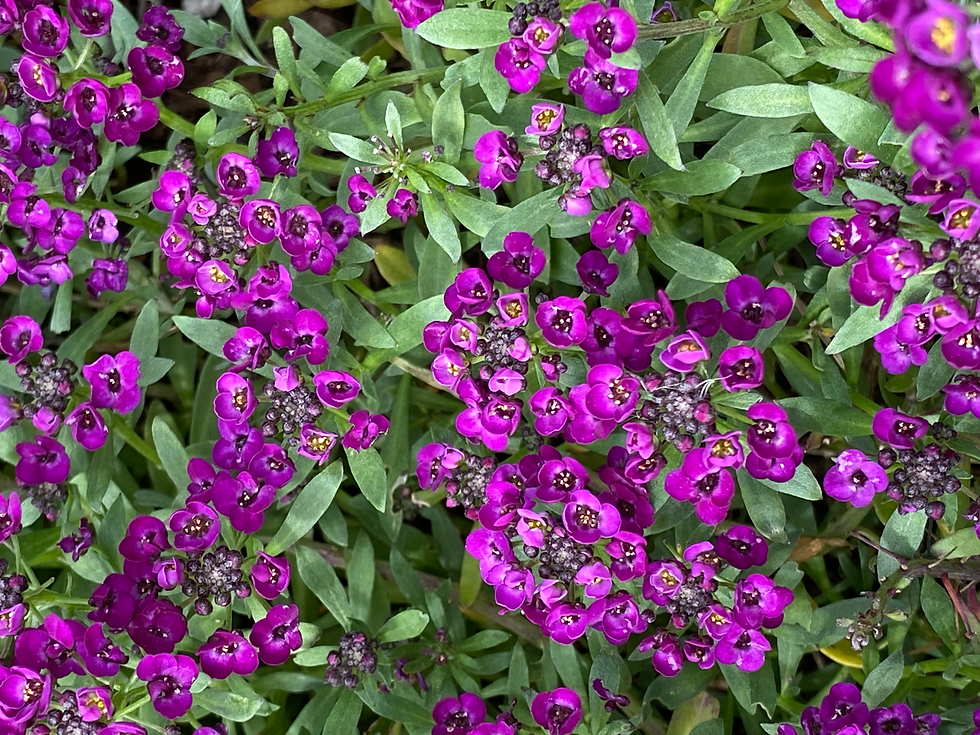
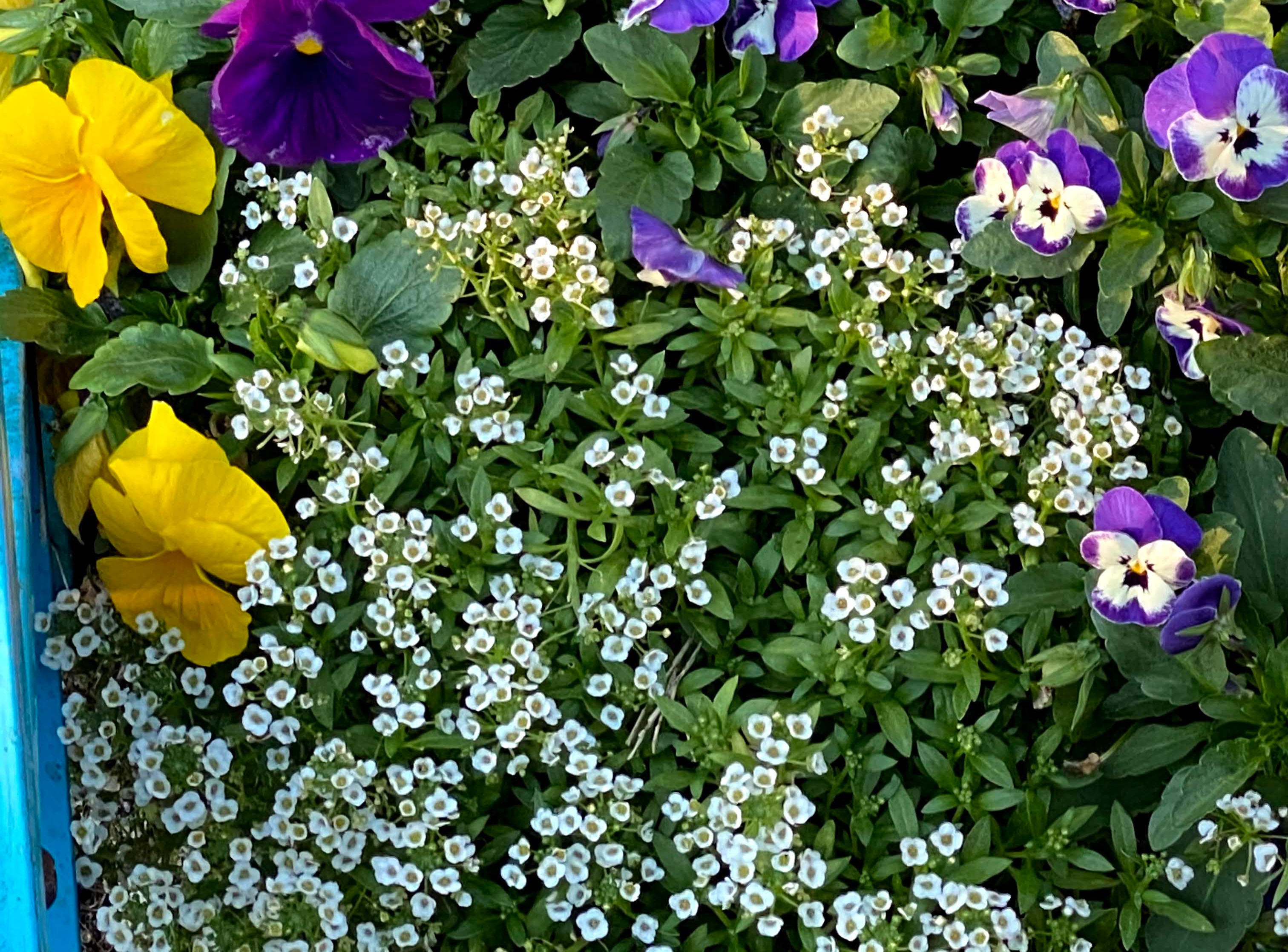
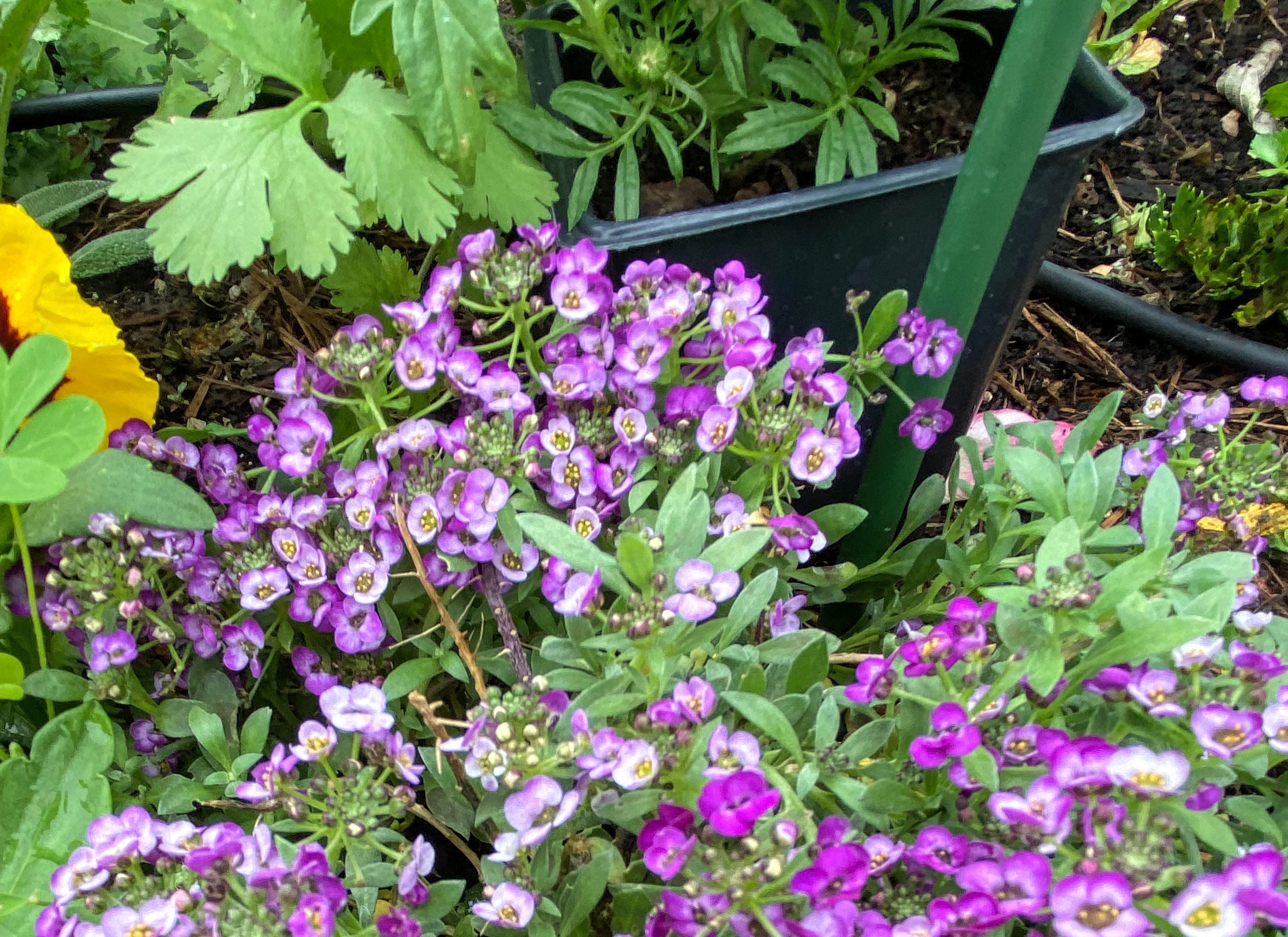
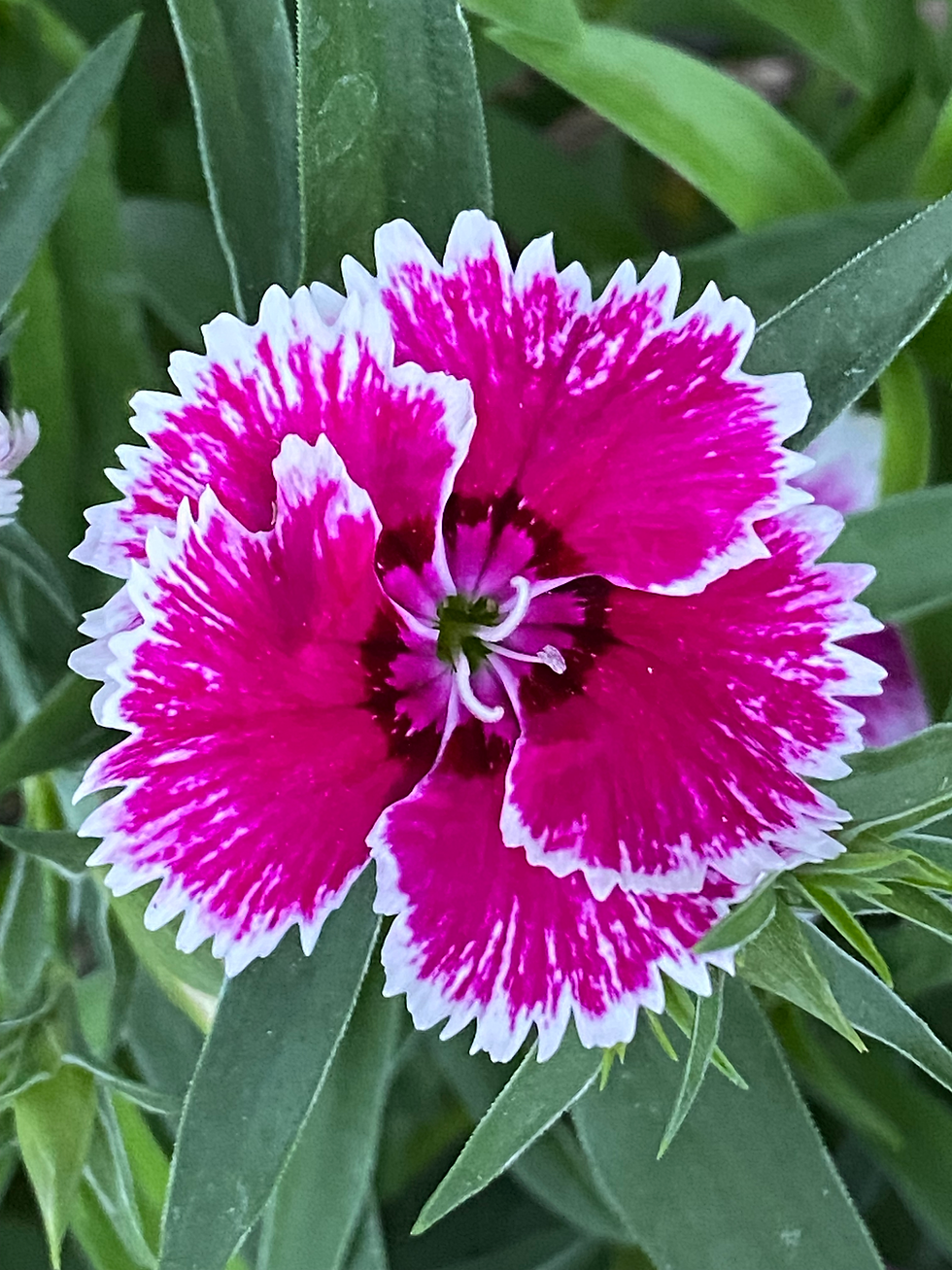
These photos are from my garden. The article is AI generated to provide all garden zones with planting instructions.
I have reviewed the information and adjusted where needed. Lana Ann
Happy Planting
Quick Links
A Note to Gardeners Everywhere
From the wind-swept edges of a Montana garden to a sun-drenched window box in Miami, from a raised bed in suburban Ohio to a hillside terrace in Northern California — sweet alyssum belongs everywhere, and it thrives almost wherever it's planted with a little thoughtfulness about timing and conditions. It asks for very little: decent drainage, cool weather, and room to spread. In return, it offers something extraordinary: a cloud of tiny flowers that perfumes the air, feeds the bees, protects the garden, and returns year after year as if it simply loves being there.
Whether you're a seasoned gardener or just putting in your very first seeds, alyssum is one of the most forgiving, rewarding, and genuinely joyful plants you'll ever grow. Give it a try this season — and don't be surprised if you find yourself planting it everywhere next year too.
Introduction: America's Sweetest Little Flower
If there's one flower that belongs in every American garden, it's sweet alyssum. Low-growing, effortlessly pretty, and perfumed with a soft honey fragrance that intensifies at dusk, Lobularia maritima is a cool-season annual that has charmed gardeners for generations. Whether you're edging a formal bed in Connecticut, filling a window box in Southern California, or tucking it between tomato plants in Texas, alyssum finds a way to delight.
Its tiny flowers — clustered in rounded heads of white, pink, lavender, or rich purple — are as useful as they are beautiful. Alyssum serves as a low ground cover that knits together bare soil, a "spiller" in mixed containers, a living mulch between vegetable rows, and one of the most effective pollinator magnets you can grow. It attracts hoverflies, parasitic wasps, and lacewings that naturally suppress garden pests, making it a quiet powerhouse in the integrated garden.
One of alyssum's most beloved traits is its prolific self-seeding habit. Allow a few plants to mature and drop seed at season's end, and volunteer seedlings will return faithfully the following cool season — giving you a population of free plants year after year with almost no effort. In mild climates, self-seeded colonies can naturalize entire pathways and garden beds into a carpet of fragrant bloom.
🌿 Find Your USDA Zone Visit planthardiness.ars.usda.gov and enter your ZIP code to find your official 2023 USDA Plant Hardiness Zone. The 2023 map — updated from the 2012 edition using data from 13,412 weather stations — is the most accurate version ever produced. Knowing your zone helps you time planting perfectly, because alyssum is a cool-season plant: it performs best when temperatures are between 45–65°F and declines or goes dormant when summer heat arrives. Getting the timing right is the single most important factor in alyssum success. |
SECTION 1
Alyssum Basics (All Zones)
Sweet alyssum is one of the most adaptable flowering annuals available to American home gardeners. Understanding its fundamental requirements will set you up for success in any zone.
At a Glance: Plant Profile
Feature | Detail |
Botanical Name | Lobularia maritima |
Common Name | Sweet Alyssum |
Plant Type | Cool-season annual; short-lived perennial in Zones 8b–11 |
Height | 3–6 inches |
Spread | 6–12 inches (spreading varieties up to 3–4 ft) |
Light | Full sun to part shade; part shade extends bloom in hot climates |
Optimal Growing Temp | 45–65°F; blooms best in cool weather |
Fragrance | Intense honey scent; strongest in the evening |
Soil pH | 6.0–7.0 (slightly acidic to neutral) |
Water Needs | Low to moderate; moderately drought-tolerant once established |
Bloom Season | Varies by zone: spring through fall (cool periods) |
Self-Seeding | Prolific — one of its most prized traits |
Germination Time | 7–14 days at 55–65°F |
Days to Bloom | Approximately 45–60 days from seed |
USDA Zones | Grown as annual in Zones 2–11; perennial-like in Zones 8b–11 |
Key Characteristics
Cool-season performer: Alyssum thrives when temperatures are mild. It will pause, go semi-dormant, or decline during summer heat peaks, then often rebounds beautifully when fall cools arrive.
Light requirement for germination: Seeds require light to germinate — never cover them. Press seeds gently onto the soil surface.
Self-seeding superstar: Allow a few plants to mature and set seed. Volunteer seedlings will return each cool season, often filling in gaps and naturalizing garden beds over time.
Low-maintenance habit: Alyssum needs very little attention once established. The primary maintenance task is shearing — cutting plants back by one-third when bloom slows encourages a vigorous flush of new flowers.
Companion planting powerhouse: Attracts beneficial predatory insects that protect vegetables and roses from pests.
SECTION 2
Zone-by-Zone Planting Guide
Because alyssum is a cool-season plant, planting timing varies significantly by region. Use the groupings below to find the schedule that matches your USDA zone. Remember: the goal is always to time your planting so alyssum establishes during mild weather — not during summer heat.
Zones 2–4 — Northern StatesRegions: Minnesota, North Dakota, South Dakota, Montana, Wyoming, Upper Michigan, Maine, Northern Wisconsin, parts of Idaho and Colorado high elevations. • Direct sow outdoors: As soon as soil can be worked in spring — typically April through mid-May. Alyssum seeds tolerate light frost and can go out before your last frost date. • Indoor seed starting: 6–8 weeks before last frost (February–March). Use peat pots to minimize transplant shock. • Germination note: Seeds need light — press onto soil surface; do NOT cover. • Transplanting / thinning: Set out transplants or thin direct-sown seedlings to 6 inches apart after last frost. • Expected bloom window: June through September; often blooms until hard frost ends the season. • Summer management: Summer heat in these zones is rarely intense enough to cause significant dormancy — expect continuous bloom through the growing season. • Self-seeding: Very common. Volunteer seedlings appear reliably each spring. Mark plant locations in fall to avoid disturbing them. • Regional tip: Alyssum makes exceptional edging along beds during the short but productive northern growing season. Pair with cool-tolerant companions like pansies, snapdragons, and lobelia for a stunning cool-season combination. |
Zones 5–6 — Upper Midwest, Northeast & Pacific Northwest FoothillsRegions: Ohio, Indiana, Pennsylvania, New York, New Jersey, Connecticut, Massachusetts, Rhode Island, Vermont, New Hampshire, Oregon valleys, Washington coast, parts of Illinois, Michigan, Iowa. • Direct sow outdoors: March through April — frost-tolerant seeds can go out 2–4 weeks before last frost. • Indoor seed starting: 6–8 weeks before last frost (January–February). • Expected bloom: April–June (strong spring flush), summer slowdown during heat peaks, beautiful rebloom September–October. • Summer management: When summer heat causes blooms to fade and plants look tired, shear back by one-third to one-half. Reduce watering slightly. Plants typically rebound with a fresh flush of fall flowers as temperatures cool. • Succession sowing: Sow every 4–6 weeks in spring to extend bloom and ensure fresh plants for fall. • Self-seeding: Vigorous — mark locations of established plants so you don't disturb volunteer seedlings the following spring. • Zone 6 bonus: In Zone 6, fall-planted alyssum may survive mild winters and produce very early blooms the following spring — worth trying along south-facing walls or in sheltered spots. • Regional tip: In Pacific Northwest valleys (Oregon, coastal Washington), the mild, maritime climate is nearly ideal for alyssum. Plants may bloom almost continuously from spring through fall with minimal summer decline. |
Zones 7–8 — Mid-Atlantic, Pacific Northwest & Upper SouthRegions: Virginia, North Carolina, Tennessee, Arkansas, Oregon coast, Washington lowlands, Northern California, Texas Hill Country, parts of Georgia and Alabama, western Washington. • Best timing — two seasons: Fall planting (September–October) for winter ground cover and peak spring blooms; Spring planting (February–March) for a spring flush before summer. • Expected bloom: October–May (with summer slowdown); often rebounds beautifully in fall from established plants or self-seeded volunteers. • Summer management: Provide afternoon shade to extend summer survival. Shear plants back when they look spent; reduce watering significantly during peak summer. Do NOT pull plants that appear dormant — they often revive in fall. • Self-seeding: Prolific. Alyssum naturalizes readily in these zones, filling beds, pathways, and gaps with minimal effort. This is one of the best zones for establishing a self-sustaining colony. • Zone 8 perk: In Zone 8, alyssum may act as a short-lived perennial, surviving mild winters entirely and reblooming in spring without replanting. This is especially true in the Pacific Northwest and Northern California. • Regional tip (Texas Hill Country): Plant in early February and again in September for two reliable bloom periods. Afternoon shade is highly beneficial during the July–August peak heat. |
Zones 8b–10 — Deep South, Southern California & Coastal AreasRegions: Texas Gulf Coast, Louisiana, Mississippi, Alabama, Florida panhandle, inland Southern California, Arizona low desert, Central Valley California, parts of Nevada and New Mexico. • Treat as a cool-season annual: Plant during the cool season only — summer is not alyssum time in these zones. • Best planting window: October through December for blooms November through April. • Expected bloom: November–April; plants decline and stop blooming by May–June as heat arrives. This is normal — do not be alarmed. • Light requirement: Part shade (especially afternoon) is critical in these zones for extending bloom season. Morning sun with afternoon shade is the ideal exposure. • Summer management: Once heat shuts plants down, you can remove them or shear back and leave in place. Self-seeded volunteers will emerge again with the first cool rains of fall. • Coastal Southern California exception: In mild coastal microclimates with moderate summers, alyssum may persist and self-seed nearly year-round — one of the most rewarding places in the country to grow it. • Best varieties for heat: 'Snow Princess,' 'Blushing Princess,' and 'Clear Crystal' series offer significantly better heat tolerance than standard varieties. • Regional tip : Plant in October for outstanding fall and winter blooms through March–April. A second planting in late February can extend the spring show. Afternoon shade from a fence or larger shrub makes a meaningful difference. |
Zones 10–11 — South Florida, Hawaii, Extreme South Texas & Puerto RicoRegions: Miami-Dade, Broward, Monroe Counties (FL); Hawaii; the Lower Rio Grande Valley (TX); Puerto Rico; the Virgin Islands. • Planting window: November through February during the coolest months of the year. • Expected bloom: December through March — a brief but beautiful cool-season window. • Light: Morning sun only; afternoon shade is essential in these zones. Full sun will burn plants quickly. • Self-seeding: May still occur during cooler months, though less reliably than in northern zones. • Container growing: Highly recommended — containers allow you to move plants to optimal shade positions as temperatures fluctuate. • Companions: Alyssum pairs beautifully with winter annuals in these zones — petunias, snapdragons, dianthus, and stock for a fragrant, colorful cool-season display. • Hawaii note: In Hawaii's upcountry and higher-elevation areas (Kula, Maui; Volcano, Big Island), alyssum can perform exceptionally well with a longer cool season. |
SECTION 3
Starting from Seed (All Zones)
Sweet alyssum is one of the easiest flowers in the garden to grow from seed — highly recommended even for beginners. Direct sowing is the preferred method in most zones because alyssum has a delicate taproot and dislikes having its roots disturbed.
Direct Sowing (Preferred Method)
Prepare a smooth seedbed by raking soil to a fine texture.
Scatter seeds thinly over the soil surface — they are very small, so mix with sand for more even distribution if desired.
Do NOT cover seeds — they require light to germinate. Press gently onto the soil surface with your hand or a flat board to ensure good soil contact.
Water gently with a misting nozzle to avoid washing seeds away.
Keep soil evenly moist until germination — typically 7–14 days at 55–65°F.
Thin seedlings to 6 inches apart when they reach 1 inch tall. Overcrowding reduces airflow and promotes disease.
Starting Indoors
Start seeds 6–8 weeks before your planned outdoor transplant date.
Use peat pots or soil blocks — transplanting alyssum can cause setback if roots are disturbed. Peat pots allow planting pot-and-all, eliminating root disturbance.
Do not cover seeds — sprinkle on the surface of moist seed-starting mix.
Maintain soil temperature at 55–65°F for best germination. A heat mat is not necessary and may actually be too warm.
Provide bright light (a sunny south-facing window or grow lights 14–16 hours per day) to prevent leggy seedlings.
Harden off transplants over 7–10 days before planting outdoors.
Self-Seeding Strategy
At the end of the cool growing season, allow some plants to mature fully and drop their seed naturally.
Do not disturb the soil in those areas over winter or early spring — you are protecting your free plant nursery.
Volunteer seedlings will emerge with the next cool season, often filling in gaps and expanding your original planting naturally.
Thin volunteer seedlings to 6 inches apart if they emerge densely.
Succession Sowing
In Zones 5–8, sow a fresh batch of seeds every 4–6 weeks during the cool season to ensure continuous bloom. As older plants decline in summer heat, a fresh sowing for fall will be ready to take over.
💡 Pro Tip: The Light Rule The number one seed-starting mistake with alyssum is covering the seeds. Alyssum seeds are photoblastic — they need light to trigger germination. Even a thin layer of soil will significantly reduce germination rates. Press seeds firmly onto the surface and trust the process. |
SECTION 4
Soil & Planting (All Zones)
Ideal Soil Conditions
Soil type: Average to moderately fertile, well-draining. Alyssum does NOT need rich soil — overly fertile soil produces lush foliage and very few flowers.
pH: 6.0–7.0 (slightly acidic to neutral). Most garden soils fall naturally within this range.
Drainage: Excellent drainage is critical. Alyssum is highly susceptible to crown and root rot in waterlogged conditions.
Amending heavy clay soils: Work in compost and coarse sand to improve drainage. Raised beds are an excellent solution in clay-heavy regions.
Planting Spacing
Space transplants or thin seedlings to 6–8 inches apart. Plants will spread and knit together to form a solid ground cover mat.
For a quicker ground cover effect, space 4–5 inches apart — plants are inexpensive and fast-growing.
For edging, plant in a single row 6 inches from the bed edge for a tidy, fragrant border.
Container Growing
Alyssum is outstanding in window boxes, hanging baskets, and mixed containers — it plays the classic "spiller" role beautifully.
Use a high-quality, well-draining potting mix. Avoid heavy garden soil in containers.
Ensure containers have drainage holes — standing water will kill plants quickly.
In hot zones (8b–11), containers offer the advantage of being movable — shift to shade during the hottest afternoon hours.
Pair with upright "thriller" plants (ornamental grasses, tall snapdragons) and "filler" plants (calibrachoa, lobelia) for a complete container composition.
Companion Planting
Roses: Plant alyssum around rose bushes to attract hoverflies and parasitic wasps that prey on aphids — a proven organic pest management strategy.
Vegetables: Interplant with tomatoes, peppers, brassicas, and cucumbers as a living mulch. Alyssum attracts beneficial predatory insects while suppressing weeds and retaining soil moisture.
Taller annuals: Pair with snapdragons, zinnias, cosmos, and marigolds — alyssum fills in at their feet, eliminates bare soil, and provides a fragrant carpet beneath taller plants.
Vegetable rows: Plant in drifts between vegetable rows to create corridors of beneficial insect habitat throughout the kitchen garden.
📋 Raised Bed Tip Raised beds are ideal for alyssum in clay-heavy regions (much of the Midwest and Southeast). The naturally well-draining raised bed environment eliminates the primary risk of root rot while giving you full control over soil fertility — keeping it lean for maximum flowering. |
SECTION 5
Watering
Alyssum's water needs are modest — it is a naturally drought-tolerant plant once established. The greatest risk is overwatering, not underwatering.
Watering frequency: Water deeply but infrequently. Allow the top inch of soil to dry out between waterings. When in doubt, wait another day.
Method: Water at the base of plants — avoid wetting foliage, which promotes fungal disease. A soaker hose or drip irrigation is ideal.
Timing: Morning watering is strongly preferred, allowing any incidental moisture on leaves to dry during the day.
Overwatering warning: Yellowing leaves, soft stems, and sudden wilting despite moist soil are signs of overwatering or root rot. Reduce watering immediately and improve drainage.
During summer dormancy: Significantly reduce watering. Plants are not actively growing and do not need regular irrigation. Light watering every 1–2 weeks is sufficient to keep roots alive in dormant plants.
Mulching: Apply a light layer of mulch (1–2 inches) around plants — kept clear of stems — to conserve soil moisture and moderate soil temperature. Avoid piling mulch against stems, which promotes rot.
Containers in hot zones: Container-grown alyssum in Zones 8–11 may need daily watering during warm weather. Check soil daily by pressing a finger into the top inch.
⚠️ #1 Alyssum Killer: Overwatering Alyssum is far more tolerant of brief dry spells than it is of soggy soil. Well-draining soil and disciplined watering practices are the single most important factors in preventing crown rot and root rot — the leading causes of alyssum failure in garden beds. |
SECTION 6
Feeding & Fertilizing
Alyssum is a light feeder. Less is genuinely more when it comes to fertilization — too much, especially nitrogen, actively works against flowering by pushing the plant into lush vegetative growth at the expense of blooms.
At planting: Work a balanced slow-release granular fertilizer (10-10-10 or similar) lightly into the soil. This provides a gentle, steady nutrient supply over several weeks.
During active bloom: A diluted liquid fertilizer (half-strength balanced formula) once per month during cool-season blooming is sufficient for in-ground plants.
Container plants: Apply diluted liquid fertilizer every 3–4 weeks during the growing season. Containers are watered more frequently, which leaches nutrients faster than in-ground soil.
During summer dormancy: Do NOT fertilize dormant plants. Feeding dormant alyssum with nitrogen can cause a surge of soft foliage that will be stressed by heat and more susceptible to disease.
Do NOT use high-nitrogen fertilizers — formulas such as 30-10-10 or typical lawn fertilizers will produce a beautiful mound of foliage with almost no flowers.
Troubleshooting Fertilization
Symptom | Likely Cause | Action |
Lush, dense green foliage; few or no flowers | Over-fertilization; excess nitrogen | Stop feeding; water heavily to flush; wait for cool temps |
Pale yellow-green foliage; slow growth | Nutrient deficiency | Apply diluted balanced liquid fertilizer once |
Dark green leaves; no blooms in warm temps | Heat-induced dormancy, not nutrition issue | Do not fertilize; wait for cooler weather; shear back |
SECTION 7
Ongoing Care
Shearing — The Most Important Maintenance Task
When alyssum plants begin to look tired, tangled, or sparse — or when summer heat causes blooms to fade significantly — shear the entire plant back by one-third to one-half its height using clean garden scissors or pruning shears. This feels drastic but produces dramatic results: plants typically rebound within 2–3 weeks with a fresh flush of vigorous new growth and abundant blooms. In Zones 5–9, shearing in midsummer sets up a beautiful fall rebloom.
Deadheading
Deadheading (removing spent flower clusters) is not strictly necessary for alyssum — it blooms freely without it. Light grooming with your fingers or scissors improves the plant's appearance and can gently encourage continuous bloom, but is entirely optional. If you want self-seeded volunteer plants the following season, allow some spent flower clusters to mature and drop seed before cleaning up at season's end.
Self-Seeding Management
Alyssum self-seeds enthusiastically — this is one of its greatest virtues, but it requires minor management.
Remove unwanted volunteer seedlings when they are young and small — they pull out very easily at this stage.
Thin dense colonies of volunteers to 6 inches apart for healthiest growth and best airflow.
In Zones 7–9, alyssum can naturalize bed edges, garden paths, and rock garden crevices from self-seeding — a charming, low-maintenance ground cover effect that many gardeners actively encourage.
Summer Dormancy Management
In Zones 6–10, alyssum may brown, stop flowering, and look dead during peak summer heat. This is normal dormancy behavior, not plant death.
Do NOT pull plants that appear dormant in summer. The root system is often alive and waiting for cooler temperatures.
Shear dormant plants back to 2–3 inches, reduce watering, and be patient. Many plants will regrow from the base and reward you with fall blooms.
Naturalizing & Ground Cover Effect
In Zones 7–9, gardeners who allow alyssum to self-seed over several seasons often develop beautiful naturalized colonies that fill pathways, soften hardscape edges, and spread through garden beds as a fragrant, low-growing ground cover. This is a highly desirable effect — essentially a self-maintaining living mulch that blooms, feeds pollinators, and seeds itself forward indefinitely.
SECTION 8
Best Alyssum Varieties by Zone
Cold-Season Varieties — Northern Zones 2–5
'Carpet of Snow' — The classic white alyssum. Vigorous, reliable, and intensely fragrant. A proven performer in short-season northern gardens.
'Royal Carpet' — Deep purple, compact, and richly fragrant. One of the most striking purple varieties available from seed.
'Rosie O'Day' — Rose-pink, fragrant, and a past All-America Selections winner. Excellent spreading habit; lovely contrast in mixed plantings.
'New Carpet of Snow' — Improved strain with better heat tolerance than the original; excellent for bridging into Zone 5–6 summers.
All-Purpose Mid-Zone Varieties — Zones 5–8
'Easter Bonnet' series — A wide color range including white, pink, lavender, and mixed. Compact, mounded habit; widely available and very dependable.
'Wonderland' series — Dense, mounded habit; excellent color saturation; performs well in both spring and fall seasons.
'Aphrodite' series — Spreading habit; mixed colors; reliable bloomer with good garden performance across a range of conditions.
'New Carpet of Snow' — Also excellent in Zone 5–8; one of the most heat-tolerant seed-grown whites available.
Heat-Tolerant Varieties — Zones 8–10
'Snow Princess' — Vegetatively propagated (sterile; does not set seed); exceptional heat tolerance; spreading habit to 3–4 feet wide. The gold standard for hot climates. Also outstanding in containers and hanging baskets.
'Blushing Princess' — Pink counterpart to Snow Princess; same exceptional heat tolerance and spreading habit. Equally outstanding in containers.
'Clear Crystal' series — Seed-grown; improved heat tolerance; pastel colors; excellent for Zones 8–9 fall and winter planting.
Container & Hanging Basket Favorites
'Snow Princess' — Spreads up to 3–4 feet wide; cascades beautifully from hanging baskets and window boxes.
'Aphrodite Mix' — Mixed colors; excellent spreading habit for containers.
'Frosty Knight' — White with excellent trailing habit; compact and manageable in mixed containers.
Most Fragrant Varieties
'Carpet of Snow' — Arguably the most intensely honey-scented variety available.
'Rosie O'Day' — Strong, sweet fragrance; delightful near paths and patios.
'Easter Bonnet White' — Intensely fragrant; excellent for planting near seating areas where evening fragrance can be enjoyed.
Novelty & Unique Color Varieties
'Dark Knight' — Deep, rich purple; striking in contrast plantings with white or pink varieties.
'Violet Queen' — Intense violet-purple; compact; excellent fragrance.
'Pastel Carpet Mix' — Mixed soft tones of blush, lavender, cream, and white; creates a watercolor effect when planted in drifts.
SECTION 9
Alyssum as a Companion Plant & Pollinator Magnet
Sweet alyssum is one of the most ecologically valuable plants you can add to your garden — and its benefits extend well beyond its undeniable charm. Research consistently demonstrates that alyssum is a premier attractor of beneficial predatory insects.
Beneficial Insect Attraction
Alyssum's tiny flowers are perfectly sized for hoverflies (syrphid flies), whose larvae are voracious aphid predators. A study conducted by New Zealand researchers found that hoverfly populations and aphid control rates were significantly higher in vegetable plots interplanted with alyssum.
It also attracts parasitic wasps (braconid and chalcid wasps) that parasitize aphids, whiteflies, caterpillar eggs, and other garden pests.
Lacewings — another powerful predator of aphids and soft-bodied insects — are drawn to alyssum's nectar.
The practical result: plant alyssum near pest-prone crops and let nature's own pest control agents go to work.
Best Companion Plantings
Companion Plant | Benefit of Adding Alyssum |
Roses | Attracts hoverflies and parasitic wasps; reduces aphid populations naturally |
Tomatoes | Attracts beneficial predators; acts as living mulch to retain soil moisture |
Peppers | Living mulch; pest suppression via beneficial insect attraction |
Brassicas (cabbage, broccoli, kale) | Attracts parasitic wasps that parasitize cabbage worm eggs |
Cucumbers & Squash | Attracts pollinators; suppresses weeds between sprawling vines |
Snapdragons & Zinnias | Provides a fragrant, weed-suppressing carpet at their feet; unifies bed aesthetically |
Pollinator Value
Alyssum is beloved by honeybees, bumblebees, native bees, and butterflies — its flowers are accessible to insects of all sizes due to their small, open structure.
Plant in drifts of at least 12 inches wide (wider is better) for maximum pollinator impact. A single plant attracts some visitors; a drift of alyssum becomes a buzzing, living ecosystem.
The honey-like fragrance intensifies significantly in the evening — making it a perfect choice for planting near patios, outdoor dining areas, and bedroom windows where the scent can be enjoyed at dusk.
🐝 Pollinator Garden Tip For maximum ecological benefit, combine alyssum with other pollinator-friendly plants that bloom in different shapes and at different times: lavender, catmint, echinacea, and phacelia. Alyssum's tiny, open flowers are particularly valuable for providing nectar to small native bees and parasitic wasps that cannot access larger tubular or composite flowers. |
SECTION 10
Troubleshooting (All Zones)
Problem | Likely Cause | Solution |
Failure to bloom / very few flowers | Over-fertilization with nitrogen; or temperatures too warm | Reduce or stop feeding; shear plants back; wait for cooler temperatures |
Leggy, floppy, stretched growth | Insufficient light; or overdue for shearing | Ensure 6 hours of direct sun; shear back by one-third to one-half immediately |
Summer browning / apparent death | Normal heat-induced dormancy | Do NOT pull plants. Shear back; reduce watering; they will often rebound in fall |
Crown rot / root rot | Overwatering; poor drainage; soggy soil | Improve soil drainage; reduce watering frequency; avoid mulching against stems |
Powdery mildew (white coating on leaves) | Humid conditions; poor air circulation | Improve spacing and airflow; apply neem oil; avoid overhead watering |
Downy mildew (yellow leaves; gray fuzz underneath) | Cool, wet conditions; poor airflow | Remove affected foliage; improve air circulation; apply copper-based fungicide |
Aphids (clusters of soft insects on new growth) | Common pest, especially in spring | Spray with insecticidal soap or neem oil; or rely on alyssum's own beneficial insect attraction — hoverflies will often handle aphids naturally |
Flea beetles (tiny round holes in leaves) | Flea beetle feeding damage | Apply diatomaceous earth at soil level; use spinosad spray; protect seedlings with row covers |
Slugs & snails (ragged holes; slime trails at soil level) | Common in cool, moist conditions | Set beer traps; apply iron phosphate bait (pet-safe); scatter diatomaceous earth around plants |
Poor germination | Seeds buried; soil too warm; soil too dry | Press seeds onto surface only — never cover; sow during cool weather (55–65°F); keep evenly moist |
SECTION 11
Quick Reference: Zone Planting Guide
Zone Group | States / Regions | Best Planting Time | Expected Bloom | Self-Seeding Potential | Key Tips |
Zones 2–4 | MN, ND, SD, MT, WY, northern WI, upper MI, ME | April–May (direct sow as soon as soil can be worked) | June–September; until hard frost | High — volunteers return reliably each spring | Full season of cool-weather bloom; summer heat rarely causes dormancy; exceptional edging plant |
Zones 5–6 | OH, IN, PA, NY, NJ, New England, OR valleys, WA coast | March–April (before last frost); or indoors Jan–Feb | Apr–June; rebloom Sep–Oct after summer slowdown | Vigorous — mark plant locations to protect volunteers | Shear back in midsummer for fall rebloom; succession sow every 4–6 weeks; fall planting may survive Zone 6 mild winters |
Zones 7–8 | VA, NC, TN, AR, OR coast, WA lowlands, N. CA, TX Hill Country | Feb–Mar (spring) OR Sep–Oct (fall — preferred) | Oct–May; summer slowdown; strong fall rebloom | Prolific — naturalizes readily; can colonize beds and paths | Fall planting preferred; afternoon shade extends summer survival; Zone 8 plants may act as short-lived perennials |
Zones 8b–10 | TX Gulf Coast, LA, MS, AL, FL panhandle, inland SoCal, AZ low desert | October–December | November–April; heat ends bloom by May–June | Moderate — volunteers emerge with fall rains | Cool-season annual only; afternoon shade essential; choose 'Snow Princess' or 'Blushing Princess' for heat tolerance; coastal SoCal may see near year-round performance |
Zones 10–11 | S. Florida, Hawaii, lower Rio Grande Valley TX, Puerto Rico | November–February | December–March | Low to moderate — cooler months only | Morning sun only; afternoon shade essential; containers preferred for placement flexibility; pairs beautifully with petunias and snapdragons |
SECTION 12
Cool-Season Annual Comparison
How does sweet alyssum stack up against the other great cool-season annuals? Use this table to make informed choices when designing your cool-weather garden beds and containers.
Feature | Alyssum | Snapdragon | Dianthus | Pansy |
Height | 3–6 in (low/spreading) | 6–36 in (varies by type) | 6–18 in (mounding) | 6–9 in (mounding) |
Fragrance | Intense honey scent; ★★★★★ | Light to none; ★★ | Spicy-sweet (some varieties); ★★★ | Faint or none; ★ |
Heat Tolerance | Low–moderate; goes dormant in heat | Low; declines in heat | Moderate; better than pansy | Very low; collapses in heat |
Cold Tolerance | Good; seeds frost-tolerant; seedlings handle light frost | Excellent; handles hard frost | Good; handles light frost | Excellent; handles hard frost and snow |
Water Needs | Low–moderate; drought-tolerant | Moderate; consistent moisture | Moderate; good drainage needed | Moderate; consistent moisture |
Fertilizer Needs | Very low; excess nitrogen reduces blooming | Moderate; benefits from regular feeding | Low–moderate | Moderate; monthly feeding helpful |
Self-Seeding | Prolific; ★★★★★ | Some; ★★ | Some (perennial types); ★★★ | Occasional; ★★ |
Best Use | Ground cover, edging, containers, living mulch, companion planting | Vertical accent, cut flowers, beds | Edging, mixed beds, containers, cut flowers | Mass planting, containers, early spring color |
Pollinator Value | Exceptional — attracts bees, butterflies, beneficial wasps, hoverflies; ★★★★★ | Good for bumblebees; ★★★ | Good — attracts butterflies and bees; ★★★ | Moderate — early-season bees; ★★★ |
SECTION 13
Top 10 Universal Alyssum Growing Tips
No matter where in the United States you garden, these ten tips apply universally and will help ensure your best possible alyssum success.
Never cover the seeds. Alyssum seeds require light to germinate. Press them firmly onto the soil surface and leave them uncovered. Burying seeds — even lightly — is the most common cause of poor germination.
Shear, shear, shear. When bloom slows or plants look tired, cut them back by one-third to one-half. This single act transforms struggling plants into fresh, vigorous bloomers within 2–3 weeks. Don't be timid — shearing works.
Don't over-fertilize. Alyssum grown in overly rich soil produces masses of leaves and almost no flowers. Use a balanced, slow-release formula at planting and feed lightly during active bloom only. Less is always more.
Time your planting to cool weather. Alyssum's optimal temperature range is 45–65°F. Plant when conditions are cool — spring or fall depending on your zone. Hot-weather planting leads to failure; cool-weather planting leads to success.
Let it self-seed. Allow a few plants to mature fully and drop seed at season's end. Volunteer seedlings that return the following cool season are among the greatest rewards of growing alyssum. Mark seed-drop areas and leave soil undisturbed.
Don't pull dormant plants. In Zones 6–10, summer-dormant alyssum often looks dead but isn't. Shear it back, reduce watering, and be patient. Fall reblooms are one of the great garden surprises.
Plant it near vegetables. Alyssum is one of the most scientifically validated companion plants available. Interplanting with tomatoes, peppers, and brassicas attracts pest-predating beneficial insects that provide measurable organic pest control.
Water at the base, not overhead. Alyssum's dense, mounding habit traps moisture around foliage if watered from above. Use drip irrigation, a soaker hose, or water carefully at the base to prevent mildew and crown rot.
Choose varieties for your zone. Not all alyssum varieties are created equal. Northern gardeners get the best from classic seed-grown varieties like 'Carpet of Snow' and 'Royal Carpet.' Southern and hot-climate gardeners should prioritize vegetatively propagated 'Snow Princess' and 'Blushing Princess' for heat tolerance.
Plant in drifts, not dots. A single alyssum plant is charming. A drift of twelve is breathtaking — and a genuine pollinator magnet. For maximum visual and ecological impact, plant alyssum in generous sweeps of at least 12 inches wide, and let it spread.
Happy gardening from coast to coast.
This guide was generated with AI assistance (Microsoft Copilot, September 2026) using current USDA 2023 Plant Hardiness Zone Map data and established horticultural best practices for Lobularia maritima. Always cross-reference with your local Cooperative Extension Service for the most region-specific advice for your garden.
Comments