_edited.png)

How to Grow Pansies: A Planting Guide for Zones 2–11
Pansy Growing Guide for All US Growing Zones
A Complete, Zone-by-Zone Reference for Home Gardeners Nationwide
Category: Gardening Instructions | Audience: Home Gardeners | Coverage: USDA Hardiness Zones 2–11 | Updated: 2026


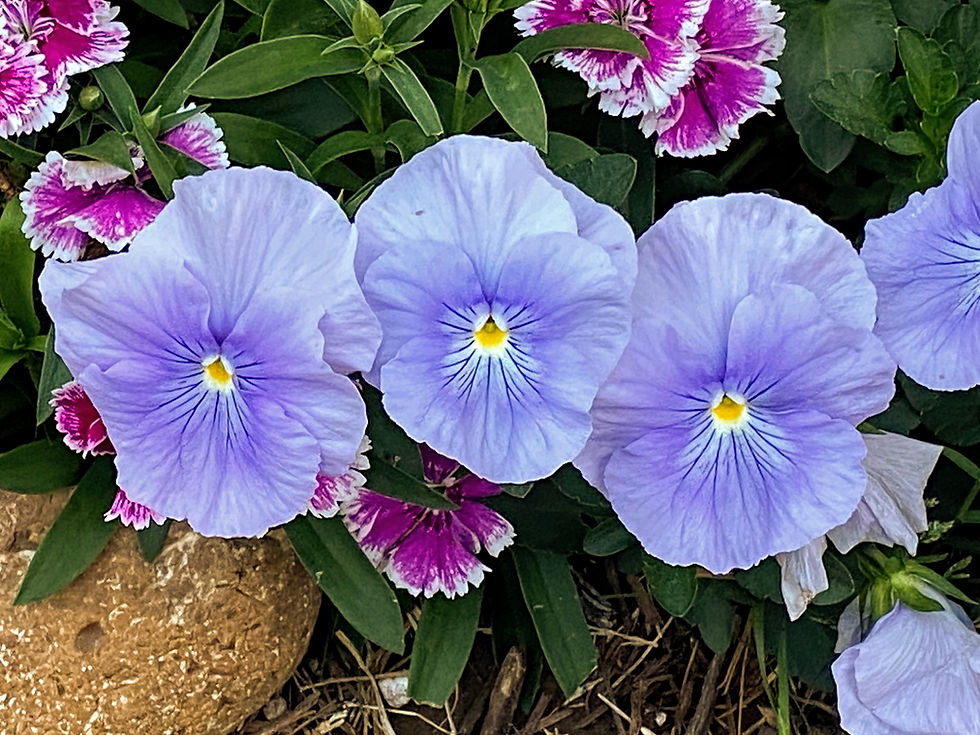

These photos are from my garden. The article is AI generated to provide all garden zones with planting instructions. I have reviewed the information and adjusted where needed. | Lana Ann
Happy Planting
Quick Links
For Gardeners Nationwide
Whether you're tucking pansies into a window box in Vermont, filling a front bed in North Carolina, or brightening a Texas winter patio with jewel-toned color, you are participating in one of American gardening's most beloved traditions. Pansies have charmed gardeners for nearly two centuries — and with the right timing and a little zone-smart care, they will reward you with some of the most vibrant, cheerful color your garden has ever seen.
Don't be discouraged if your first season isn't perfect. Every garden is a learning experience, and every zone has its own rhythm. Pay attention to your local weather, observe how your pansies respond, and adjust your planting calendar accordingly. Your local cooperative extension service is also an invaluable, free resource for zone-specific planting calendars and soil-testing services.
Happy gardening — and may your pansies bloom abundantly! 🌸
Introduction
Pansies are among the most cheerful, versatile, and beloved cool-season flowers in American gardens. Their wide "faces," bold color range, and surprising cold-hardiness make them a go-to choice for gardeners from Maine to Texas — but the key to success is knowing when to plant them where you live.
That's where USDA Plant Hardiness Zones come in. The USDA Plant Hardiness Zone Map (PHZM) divides the United States into numbered zones based on the average annual extreme minimum winter temperature, measured over a 30-year period. The most recent edition, released in November 2023, uses data from 13,412 weather stations spanning 1991–2020 — making it the most detailed and accurate version ever published. Zones range from Zone 1 (coldest, interior Alaska) to Zone 13 (warmest, parts of Hawaii and Puerto Rico).
📍 Find Your Zone Visit planthardiness.ars.usda.gov and enter your ZIP code to find your official USDA hardiness zone instantly. The 2023 map resolves to approximately half-mile resolution, so it can reflect urban heat islands, elevation differences, and coastal effects within your region. |
Why does zone matter so much for pansies? Because pansies are cool-season flowers — they thrive in chilly temperatures and fade or die when summer heat arrives. A gardener in Minnesota has a brief, precious spring window; a gardener in New Orleans can enjoy pansies blooming through December and January; and a gardener in central Texas (Zone 8b) can plant in fall for spectacular winter color. This guide tailors every recommendation to your zone, so you get the most out of every plant.
Section 1: Pansy Basics — All Zones
What Are Pansies?
Pansies (Viola × wittrockiana) are hybrid flowering plants developed from several European Viola species in the early 19th century. They are most commonly grown as cool-season annuals, though in mild climates they can behave as short-lived perennials or biennials. Their distinctive large, flat, five-petaled blooms — often featuring distinctive dark "faces" at the center — come in virtually every color of the rainbow, from pure white and creamy yellow to deep violet and near-black.
Botanical name: Viola × wittrockiana
Plant type: Cool-season annual (grown as biennial in mild zones)
Mature size: 6–9 inches tall, 9–12 inches wide
Light requirement: Full sun to part shade (6+ hours preferred)
Soil preference: Moist, well-draining, loamy; pH 5.4–6.2
Cold tolerance: Most varieties tolerate temperatures down to 25°F (–4°C); some cultivars survive brief dips to 20°F (–7°F) with protection
Heat tolerance: Poor — bloom quality declines above 65°F and plants typically collapse above 80°F
Temperature Is the #1 Factor
No other variable controls pansy success more than temperature. Pansies prefer daytime highs of 45°F–65°F (7°C–18°C) and will slow or stop blooming as temps climb. When summer heat arrives, pansies go to seed, become leggy, and eventually die — no amount of watering, fertilizing, or shade can fully compensate. This is why planting timing is the most critical decision you make, and why that timing is so different depending on where you live.
At-a-Glance Zone Planting Table
Zone | Region Examples | Primary Planting Window | Peak Growing Season |
2–4 | MN, ND, SD, MT, northern ME | May–June (after last frost) | Late May – early July |
5–6 | OH, IN, PA, NY, VT, OR valleys, WA coast | March–April (spring); Sept–Oct (fall) | April–June; Oct–Nov |
7–8 | VA, NC, TN, OR coast, WA lowlands, northern CA | Sept–Nov (fall); Feb–March (spring) | Oct – May |
9–10 | TX Gulf Coast, LA, MS, inland SoCal, AZ | Oct–Dec (fall/winter only) | Nov – March |
11+ | Hawaii, South FL, extreme South TX, Puerto Rico | Dec–Feb (coolest months only) | Dec – Feb (brief) |
Section 2: Zone-by-Zone Growing Guide
Each zone group below includes tailored guidance for planting times, bloom windows, summer management, and region-specific tips. Find your zone in the 2023 USDA map and follow the recommendations that apply to you.
❄ Zones 2–4 — Northern States States include: Minnesota, North Dakota, South Dakota, Montana, Wyoming, upper Michigan, Maine, northern Wisconsin, and interior Alaska. Climate reality: These zones experience brutally cold winters (average annual extreme minimums of –50°F to –20°F) and very short growing seasons. Pansies cannot overwinter outdoors here; they must be treated as short-lived spring annuals only. Best Planting Times• Start seeds indoors: 8–10 weeks before the last expected frost date (typically late February to mid-March depending on exact location) • Transplant outdoors: After the last frost date — generally mid-May to mid-June depending on your exact location within the zone • Purchase nursery transplants locally in late April or May and hold them in a protected cold frame or garage until outdoor temps are safe Expected Bloom PeriodLate May through early July. Once daytime highs regularly exceed 70°F–75°F, bloom quality will rapidly decline. You may have only 4–6 weeks of peak color — make it count! Summer ManagementWhen summer heat arrives and pansies decline, pull spent plants and replace with heat-tolerant summer annuals such as marigolds, zinnias, or petunias. Do not attempt to keep pansies through summer in Zones 2–4. Unique Regional Tips• Protect young transplants from late spring frosts (which can occur well into May in Zone 3–4) using row covers or frost cloth on cold nights • Raised beds warm up faster in spring and extend your planting window slightly earlier • Choose compact, early-blooming varieties rather than large-flowered types that need more time to establish • Fall planting is generally not practical in Zones 2–4; focus all energy on the spring window |
🍁 Zones 5–6 — Upper Midwest, Northeast & Pacific Northwest Foothills States include: Ohio, Indiana, Pennsylvania, New York, New Jersey, Connecticut, Massachusetts, Rhode Island, Vermont, New Hampshire, Oregon valleys, coastal Washington, northern Illinois, and parts of Missouri. Climate reality: Zones 5 and 6 offer both a spring planting opportunity and a fall planting opportunity, making them one of the most versatile zones for pansies. Winters are cold but not extreme, and pansies planted in fall may partially overwinter and re-bloom in early spring. Best Planting Times• Spring planting: March–April, as soon as the soil can be worked and nighttime temps remain mostly above 20°F; pansies can handle light frost • Fall planting: September–October; plant while nights are still mild enough to allow root establishment before hard freezes arrive Expected Bloom Period• Spring plantings: April through June (until summer heat ends the show) • Fall plantings: October–November, then again in March–April after overwintering (especially in Zone 6) Summer ManagementPull or compost spent pansies in June–July when heat causes decline. Use the bed for heat-loving summer annuals, then replant pansies in September for fall color. Unique Regional Tips• In Zone 5, mulch fall-planted pansies heavily (3–4 inches of straw or shredded leaves) before the ground freezes to insulate roots for winter survival • In Zone 6, pansies often survive mild winters with minimal protection and re-bloom vigorously in late February or March — a beautiful late-winter surprise • Pacific Northwest gardeners in Zone 6 enjoy mild, rainy winters ideal for pansy overwintering — drainage becomes the key concern, not cold • Remove mulch gradually in spring as temperatures moderate to avoid smothering re-emerging plants |
🌿 Zones 7–8 — Mid-Atlantic, Pacific Northwest & Upper South States include: Virginia, North Carolina, Tennessee, Arkansas, New Mexico (northern), Oregon coast, Washington lowlands, northern California, Georgia (northern), and parts of Texas (Dallas–Fort Worth area, Hill Country). Climate reality: This is the sweet spot for pansies. Long, mild cool seasons mean pansies can bloom for 6–8 months of the year. Fall planting is the primary strategy, delivering color from autumn through spring before summer heat arrives. Best Planting Times• Fall planting (preferred): September through November — the long cool fall and mild winter allow continuous blooming • Spring planting: February–March for a shorter spring display before summer heat arrives Expected Bloom PeriodFall-planted pansies can bloom from October through May in mild years — a remarkable 7-month display. Spring-planted pansies typically bloom March through May or June. Summer ManagementRemove summer-spent pansies by June and replace with heat-tolerant annuals. Mark your calendar to replant pansies again in September — you'll want to do it every year. Unique Regional Tips• Protect fall-planted pansies from occasional hard freezes (below 20°F) using frost cloth; in Zones 7–8 these are brief and infrequent • In Zone 8 (e.g., Atlanta, Portland OR, Seattle), pansies rarely need winter protection at all in average years • In the Pacific Northwest, excellent winter rains keep pansies moist — focus on drainage rather than watering • In the Upper South, plant pansies in October for the best establishment window; October soil is still warm enough to promote rapid root growth before cold arrives • Zone 7b–8a gardeners in the Carolinas and Virginia can expect blooms through Christmas and beyond in most years |
☀ Zones 9–10 — Deep South, Southern California & Coastal Areas States include: Texas Gulf Coast and San Antonio area, Louisiana, Mississippi, Alabama, Florida panhandle, inland Southern California, low-desert Arizona, coastal Georgia, and South Carolina lowcountry. Climate reality: Summers are far too hot and long for pansies. However, cool, mild winters offer a wonderful window for winter annual color — and pansies are the star of the season. Treat them exclusively as cool-season annuals planted in fall. Best Planting Times• Plant October through December — after temperatures reliably cool; planting too early (September) in hot zones can stress transplants before they establish • In low-desert Arizona (Phoenix area, Zone 10), wait until November or even early December before planting Expected Bloom PeriodNovember through March is the typical bloom window. By April, rising temperatures will cause decline; by May, pansies are done for the season in most Zone 9–10 locations. Summer ManagementThere is no summer growing for pansies in Zones 9–10. Pull spent plants by April and replace with heat-tolerant warm-season options such as vinca, portulaca, or caladiums. Unique Regional Tips• Choose heat-tolerant pansy varieties such as the Delta, Dynamite, or Karma series — they hold up better as spring temperatures rise and can extend your season by 2–4 weeks • Shade cloth (30–40% shade) can extend pansy life slightly in spring by reducing heat load — especially effective in afternoon-hot exposures • Use containers for maximum flexibility; move potted pansies to shadier spots as temperatures rise in March and April • In coastal areas of California and the Gulf Coast, ocean breezes naturally moderate temperatures and can extend the bloom season into April or even May • Water consistently — Zone 9–10 winters can be dry, and pansies need regular moisture even in the cool season |
📌 A Note for Central TX Gardeners (Zone 8a,b, & 9a) Central Texas sits in USDA Zones 8a,b,& 9a, with average annual extreme minimum temperatures of 15°F–20°F. This puts you in excellent pansy territory. Plant in October–November for beautiful fall through spring blooms. Expect color from October or November all the way through April in most years. Brief hard freezes may occur — keep frost cloth handy for nights below 20°F. The Delta and Karma series are excellent heat-tolerant choices as spring warms up. |
🌞 Zones 11+ — Hawaii, South Florida, Extreme South Texas & Puerto Rico Locations include: Hawaii, South Florida (Miami–Dade, Broward), extreme South Texas (Brownsville, McAllen area), and Puerto Rico. Climate reality: Pansies are extremely challenging in Zone 11+. The warm season is essentially year-round, and even "winter" rarely provides the prolonged cool temperatures pansies need to thrive. Results will be modest at best. Best Planting Times• Plant only during the coolest months: December through February • In Hawaii, target higher elevations (above 1,500 feet) where nighttime temperatures are noticeably cooler; Upcountry Maui and the Big Island's Waimea region are far more suitable than coastal areas Expected Bloom PeriodExpect blooms for 4–8 weeks at best — a brief but beautiful display during the coolest stretch of winter. Manage expectations accordingly. Unique Regional Tips• Consider Violas (Johnny Jump-Ups, Viola tricolor) as a hardier, more heat-tolerant alternative; they are smaller-flowered but far more resilient in warm climates • Use containers with high-quality potting mix so you can move plants to your coolest, most shaded microclimate • Water very carefully — in warm, humid Zone 11 climates, overwatering and root rot are the most common pansy killers • Night-blooming air plants, tropical lantana, and portulaca are excellent alternatives if pansies prove too challenging |
Section 3: Soil & Planting — All Zones
Ideal Soil Conditions
Pansies perform best in rich, well-draining, loamy soil. The ideal soil pH is 5.4–6.2 (slightly acidic to near-neutral). Outside this range, plants may struggle to absorb nutrients even when fertilizer is applied.
Test your soil pH with an inexpensive home test kit or through your local cooperative extension service
To lower pH (make more acidic): work in elemental sulfur or peat moss
To raise pH (make more alkaline): add agricultural lime
Always amend with 2–3 inches of compost worked into the top 6–8 inches of soil before planting — compost improves drainage in clay soils and water retention in sandy soils
Container vs. In-Ground Planting
Feature | In-Ground Planting | Container Planting |
Best zones | All zones (especially 5–8) | All zones, especially 9–11 |
Drainage control | Depends on native soil | Excellent with quality potting mix |
Temperature flexibility | Fixed location | Move to shade/warmth as needed |
Watering frequency | Less frequent | More frequent (containers dry faster) |
Soil amendment ease | Requires soil prep each season | Refresh potting mix each season easily |
Visual impact | Excellent for mass plantings | Great for porches, entries, focal points |
💡 Hot Zone Container Tip In Zones 9–11, containers are especially valuable. As spring temperatures rise, simply move your potted pansies to a shadier spot on the east side of your home to extend blooms by 2–3 weeks. |
Planting Details
Spacing: 6–8 inches apart for ground plantings; slightly closer (5–6 inches) in containers for a full, lush look
Planting depth: Set transplants at the same depth they were growing in their nursery pot — do not bury the crown
Firm soil gently around each transplant and water in well immediately after planting
Avoid planting in low spots where water pools after rain — pansies are highly susceptible to root rot in waterlogged conditions
In Zones 2–4: choose a south-facing bed that warms quickly in spring to maximize your short season
In Zones 9–11: choose a north or east-facing bed to reduce afternoon heat exposure
Section 4: Watering
General Watering Principles
Keep soil consistently moist but never waterlogged — check by pressing a finger 1 inch into the soil; water when the top inch feels dry
Water in the morning so foliage dries before nightfall — wet foliage overnight invites fungal disease (especially botrytis gray mold)
Water at the base of plants when possible; avoid overhead sprinklers if you can
Apply 2–3 inches of mulch around (but not touching) plant stems to retain moisture, regulate soil temperature, and reduce watering frequency
Zone-Specific Watering Notes
Zone Group | Typical Concern | Recommended Approach |
Zones 2–4 | Late-spring frost and cool, wet conditions | Water moderately; let soil dry slightly between waterings; excellent drainage is critical |
Zones 5–6 | Variable spring rain; wet autumns | Monitor rainfall; supplement only when needed; mulch well before winter |
Zones 7–8 | Mild, relatively dry winters in some areas | Water every 3–5 days during dry spells; Pacific NW rain often sufficient in winter |
Zones 9–10 | Dry winters, rapid evaporation | Water every 2–3 days in dry weather; monitor containers daily; use mulch heavily |
Zones 11+ | Warm, humid conditions accelerate rot risk | Water sparingly; prioritize excellent drainage; check soil before every watering |
Section 5: Feeding & Fertilizing
At-Planting Fertilization
Work a balanced, slow-release granular fertilizer (such as 10-10-10 or 14-14-14) into the soil at planting time, following package directions. This provides a steady nutrient foundation for the first 6–8 weeks.
Ongoing Feeding During Active Bloom
Supplement with a liquid balanced fertilizer (such as 20-20-20) every 2–3 weeks during the peak bloom period
Water-soluble fertilizers are absorbed quickly and are especially effective for container-grown pansies
Avoid high-nitrogen formulas (e.g., 30-10-10) — excess nitrogen promotes lush green foliage at the expense of flowers
A bloom-booster formula with higher phosphorus (the middle number, e.g., 10-30-20) can encourage more vigorous flowering
Zone-Specific Fertilizing Notes
Zones 2–4 (short season): Use a quick-release liquid fertilizer rather than slow-release granules — you need fast establishment and rapid blooming before heat arrives. Feed every 10–14 days for maximum performance.
Zones 5–8 (long season): A combination of slow-release at planting plus periodic liquid fertilizer works beautifully. Reduce feeding as plants approach the end of their bloom cycle.
Zones 9–11 (winter annual): Feed regularly through the cool season; as temperatures rise in spring and bloom slows, discontinue fertilizing — there's no benefit in feeding a plant that's about to decline.
Signs of Nutrient Deficiency
Overall yellowing (chlorosis): Likely nitrogen deficiency or wrong soil pH preventing nutrient uptake
Purple-tinted leaves: Often phosphorus deficiency, especially in cool soils in early spring (usually resolves as soil warms)
Pale new growth with green veins: Iron deficiency — check and adjust soil pH
Stunted growth despite adequate water and fertilizer: Suspect compacted soil or root rot
Section 6: Ongoing Care
Deadheading
Deadheading — removing spent blooms before they go to seed — is the single most effective ongoing task for maximizing pansy flowering. When pansies set seed, they shift energy from producing new blooms to seed production, and flowering slows dramatically.
Pinch or snip spent flowers at their base (where the stem meets the main plant), removing the entire flower head and its seed pod
Deadhead every 3–5 days during peak bloom for continuous color
In short-season zones (2–4), daily deadheading during peak bloom squeezes every last flower from your limited window
Pinching Leggy Growth
If pansies become stretched or leggy (long stems, fewer flowers), pinch back by one-third to encourage bushy, compact growth and fresh blooming stems. This is especially common when plants have experienced brief warm spells or insufficient light.
Mulching for Temperature Regulation
Apply 2–3 inches of straw, pine straw, or shredded leaves around plants (but not touching stems)
In Zones 5–6, deep mulching (3–4 inches) before the first hard freeze is essential for overwintering fall-planted pansies
In Zones 9–10, mulch conserves winter moisture and keeps roots cooler as spring temperatures begin to rise
Remove or thin mulch in spring as temperatures warm and new growth emerges
Managing Summer Dormancy and Decline
When daytime highs consistently exceed 75°F–80°F, pansies will stop blooming, turn yellow, and begin to decline — this is normal and expected
In Zones 5–8: You can attempt to cut plants back to 3–4 inches and mulch heavily to see if they survive summer as dormant plants, but success is inconsistent; starting fresh in fall is usually more reliable
In Zones 9–11: Pull summer-spent plants; do not attempt to carry them through summer heat
Compost pulled plants unless they show signs of disease, in which case discard in the trash
Frost Protection by Zone
Zone Group | Frost Risk Period | Recommended Protection |
Zones 2–4 | Late frost into May–June; early frost Sept–Oct | Row covers or frost cloth on nights below 25°F; water transplants before cold nights (wet soil holds heat better) |
Zones 5–6 | Early spring and late fall | Frost cloth for temps below 20°F; mulch heavily for overwintering |
Zones 7–8 | Occasional winter hard freezes | Frost cloth for temps below 20°F; usually only needed 2–5 nights per year |
Zones 9–10 | Rare hard freezes (below 28°F) | Keep frost cloth on hand for rare freeze events; water plants the day before a freeze warning |
Zones 11+ | Essentially no hard freeze risk | Minimal frost protection needed; focus instead on heat management |
Section 7: Best Pansy Varieties by Zone
Selecting the right variety for your climate is a game-changer. Modern pansy breeding has produced cultivars specifically optimized for cold tolerance, heat tolerance, or all-around performance in mid-zone conditions.
Heat-Tolerant Varieties — Best for Zones 8–10
These varieties hold their color and continue blooming longer into warm spring temperatures than standard pansies.
Delta Series — Industry-standard heat tolerance; wide color range; compact habit; reliable in Zone 8–9 winters
Dynamite Series — Large flowers with exceptional heat endurance; excellent for Gulf Coast and Deep South winters
Karma Series — Superior uniformity and heat tolerance; popular with Southern commercial growers; holds bloom color well even as temps rise
Inspire Plus Series — Excellent early blooming and heat tolerance; good choice for Zone 9–10 fall planting
Cold-Hardy Varieties — Best for Zones 2–5
These varieties are bred specifically to withstand hard freezes and perform well in short, cold seasons.
Ice Pansy Series (Viola x wittrockiana 'Ice') — Exceptional cold hardiness, rated to 5°F with some root protection; compact and early blooming
Winter Pansy / 'Icicle' — A true cold-hardy winter pansy; can survive temperatures to 0°F in a protected, mulched setting in Zone 5–6
Mammoth Series — Large, sturdy flowers; excellent early spring performance in cold-zone conditions
Nature Series — Compact plants with strong cold tolerance; early to flower even in cool spring soil
All-Purpose Mid-Zone Performers — Best for Zones 5–8
These workhorses deliver reliable, long-lasting color across a wide range of conditions.
Majestic Giants Series — Extra-large 4-inch blooms; classic choice for spring beds; excellent color saturation
Matrix Series — Compact, weather-resistant, early blooming; one of the most popular mid-zone commercial series; wide color palette including unique bicolors
Super Cascadia Series — Spreading, cascading habit; excellent for containers and hanging baskets; continuous bloom; performs well in Zones 6–8
Colossus Series — Giant flowers with great heat and cold tolerance balance; a strong all-rounder for Zones 6–8
Section 8: Troubleshooting
Common Problems & Solutions
Problem | Likely Cause | Solution |
Yellowing leaves | Overwatering, nutrient deficiency, or pH imbalance preventing uptake | Check drainage; test soil pH; apply balanced liquid fertilizer; reduce watering frequency |
Leggy, stretched plants | Insufficient light (pansies need 6+ hours of direct sun) | Move to a sunnier location; pinch back leggy stems to encourage bushy regrowth |
Few or no blooms | Temperatures too warm, needs deadheading, or needs fertilizing | Deadhead spent flowers; apply a bloom-booster liquid fertilizer; check if heat is the culprit |
Wilting despite regular watering | Root rot from overwatering or poor drainage | Check root health (healthy roots are white/tan; rotted roots are brown/mushy); improve drainage immediately; reduce watering |
Small, stunted plants | Compacted soil, root-bound transplant, or cold soil slowing uptake | Loosen soil; ensure transplants are not root-bound at planting; wait for soil to warm slightly |
Faded flower color | Excessive sun exposure or heat stress | Provide afternoon shade; ensure adequate watering; consider a shadier planting spot |
Pest Management
Aphids: Tiny soft-bodied insects clustering on new growth and undersides of leaves. Blast off with a strong stream of water; apply insecticidal soap or neem oil for persistent infestations. Ladybugs are natural predators.
Slugs and snails: Leave ragged holes in leaves, active at night. Use iron phosphate slug bait (pet- and wildlife-safe); place shallow dishes of beer near plants; hand-pick at night with a flashlight. Especially problematic in cool, wet conditions (Zones 5–7, Pacific Northwest).
Spider mites: Tiny mites causing stippled, pale foliage; most common in dry, warm conditions. Spray with neem oil or insecticidal soap; increase watering to keep foliage slightly humid.
Cutworms: Caterpillars that sever stems at the soil line overnight. Place a physical collar (toilet paper tube or plastic ring) around each transplant stem at planting time.
Disease Prevention and Treatment
Powdery mildew: White powdery coating on leaves; favored by warm days, cool nights, and poor air circulation. Prevent with adequate plant spacing (6–8 inches); treat with neem oil or a baking soda spray (1 tsp baking soda + 1 qt water + a few drops dish soap).
Botrytis (gray mold): Fuzzy gray mold on flowers and stems; most common in cool, wet, humid conditions. Remove and discard affected plant parts immediately; do not compost. Improve air circulation; water at the base; avoid overhead watering. Apply a copper-based fungicide if severe.
Pansy downy mildew: Yellow patches on upper leaf surface with gray fuzz below. Remove affected leaves; improve drainage and air circulation; apply a registered fungicide.
Crown rot: Plant wilts and collapses despite adequate water; crown (base of plant) is brown and mushy. Usually fatal — remove plant and soil immediately; do not replant pansies in same spot that season; improve drainage before next planting.
⚠ Important: Never Compost Diseased Plants Plants affected by crown rot, botrytis, or downy mildew should be placed in the trash, not the compost pile. Composting diseased material can spread pathogens to your entire garden next season. |
Section 9: Quick Reference Table — All Zones
Zone | Planting Season | Bloom Period | Key Tips |
2–4 MN, ND, MT, ME | Start seeds indoors late Feb–March; transplant May–June after last frost | Late May – early July (4–6 weeks) | Use row covers for late frost protection; choose compact early-blooming varieties; no fall planting |
5–6 OH, PA, NY, VT, OR valleys | Spring: March–April; Fall: September–October | Spring: April–June; Fall: Oct–Nov and re-bloom in March | Mulch fall plantings heavily in Zone 5; Zone 6 pansies often overwinter; two planting opportunities per year |
7–8 VA, NC, TN, OR coast, WA lowlands | Fall (preferred): Sept–Nov; Spring: Feb–March | October through May (up to 7 months) | Ideal pansy climate; fall plant for maximum bloom time; keep frost cloth for hard freeze nights; choose heat-tolerant varieties for spring extension |
9–10 TX Gulf Coast, LA, MS, inland SoCal, AZ | October–December (cool season only) | November – March | Heat-tolerant varieties essential; use containers for flexibility; shade cloth extends spring season; no summer planting possible |
11+ Hawaii, S. Florida, Puerto Rico | December–February only | 4–8 weeks (brief) | Very challenging; use elevated/cooler microclimates in Hawaii; consider viola (Johnny Jump-Ups) as hardier alternative; prioritize drainage |
Section 10: Top 10 Universal Pansy-Growing Tips
These tips apply to every gardener, in every zone, every season:
Know your zone — Look up your 2023 USDA hardiness zone at planthardiness.ars.usda.gov using your ZIP code; it's the foundation of every planting decision.
Timing is everything — Plant in your zone's cool season; planting too late when heat arrives is the number-one cause of pansy failure.
Deadhead religiously — Remove spent flowers every 3–5 days to keep plants producing new blooms continuously.
Water at the base, in the morning — Avoid wet foliage overnight; this single habit prevents most common fungal diseases.
Feed every 2–3 weeks during bloom — Use a balanced liquid fertilizer; pansies in active bloom are hungry plants.
Mulch generously — A 2–3 inch layer of mulch regulates soil temperature, retains moisture, and suppresses weeds in every zone.
Give them 6+ hours of sun — Pansies tolerate partial shade but thrive in full sun; insufficient light leads to leggy, sparse-blooming plants.
Choose the right variety for your climate — Heat-tolerant series for Zones 8–10, cold-hardy series for Zones 2–5, all-purpose series for Zones 5–8.
Improve drainage before planting — Pansies will not tolerate waterlogged soil; amend with compost and choose planting spots that do not collect standing water.
Plan your transitions — Have warm-season annuals ready to plant when pansies finish; and have pansies lined up for fall when summer annuals fade. A seamless rotation makes for a beautiful year-round garden.
📋 About This Guide This guide was prepared with AI assistance (Microsoft Copilot) and researched against current USDA horticultural guidelines, including the 2023 USDA Plant Hardiness Zone Map published jointly by the USDA Agricultural Research Service and Oregon State University's PRISM Climate Group. Zone designations, planting windows, and variety recommendations reflect best-practice guidance current as of 2026. For the most current local planting calendars and soil recommendations, consult your state's cooperative extension service or visit the USDA PHZM website at planthardiness.ars.usda.gov. |
Pansy Growing Guide for All US Growing Zones | For home gardeners nationwide | Generated 2026 with AI assistance | USDA Zone data: 2023 Plant Hardiness Zone Map (1991–2020 baseline)
Comments